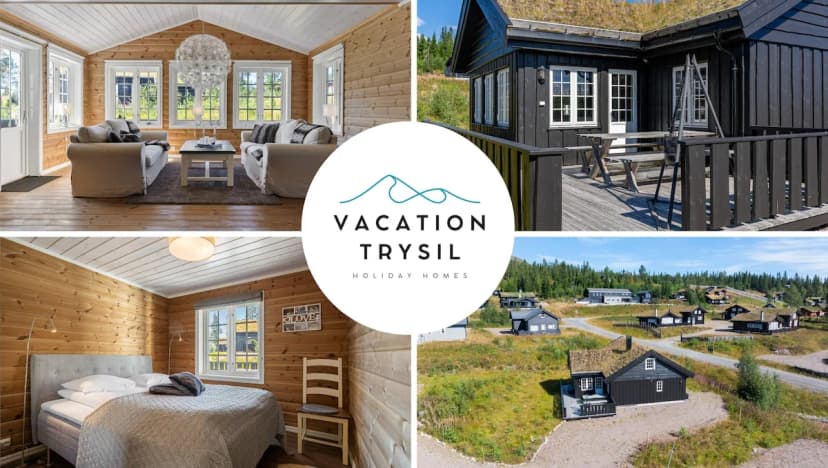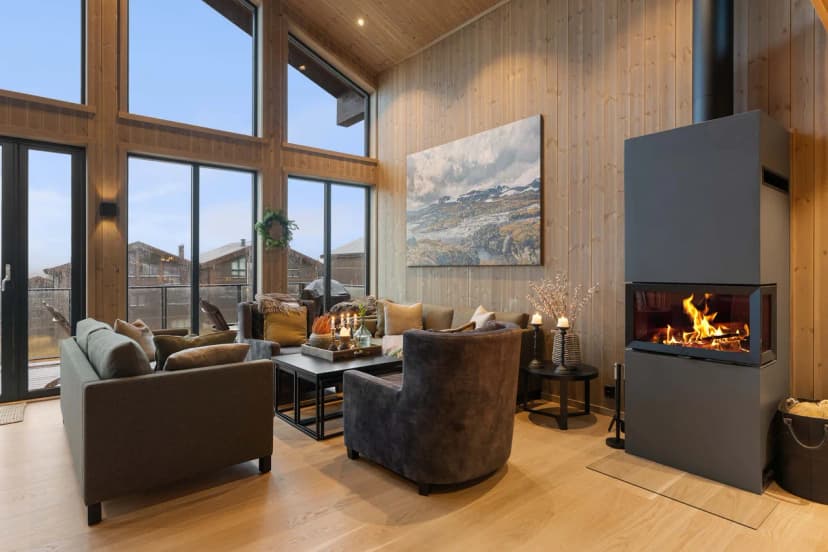
Fageråsen 958B by Vacation TrysilN°001
Trysil & Norwegian Mountains, Norway
SaunaSpa
From $965 per night
 Photo by Barnabas Davoti
Trysil, in eastern Norway near the Swedish border, is the country's largest ski resort, its lift network spread around the rounded summit of Trysilfjellet above deep spruce forest and the Trysilelva river. A private mountain lodge here means sauna, log fire and doorstep skiing in winter, and world-class mountain biking and fly fishing in summer.
Trysil is typically among the first Scandinavian resorts to open, with cold inland temperatures securing early snow. A good-value window for keen skiers before the holiday peak.
Norway's legendary 54-kilometre cross-country ski marathon from Rena to Lillehammer, run since 1932 in the same Østerdalen region, about an hour from Trysil. Worth combining with a late-winter stay.
Norwegian midsummer is marked with bonfires and gatherings on the year's lightest night, when the valley barely darkens. A memorable evening for a cabin dinner outdoors.
Dependable cold-climate snow, long forest pistes and superb ski schooling make this the country's benchmark family ski season.
Snowmelt swells the Trysilelva and the forest turns green, a quiet shoulder for early fishing and walking before high summer.
Purpose-built flow trails in Gullia and grayling fishing on wide, wadeable water, all under near-endless northern daylight.
Birch and spruce country turns gold, with clear hiking days, berry picking and the first frosts announcing the ski season ahead.
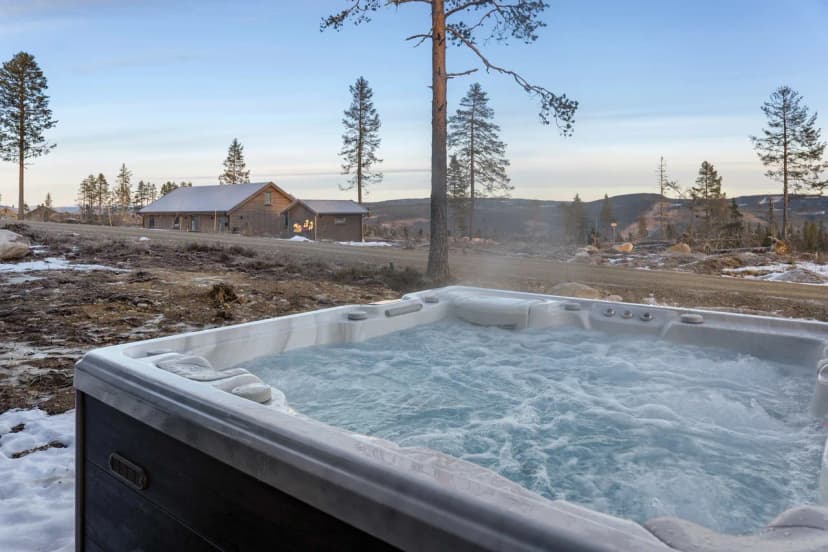
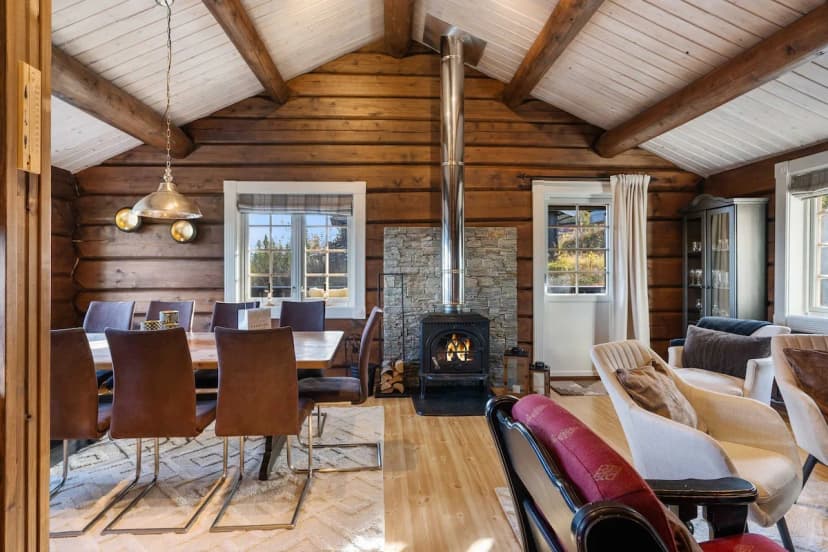
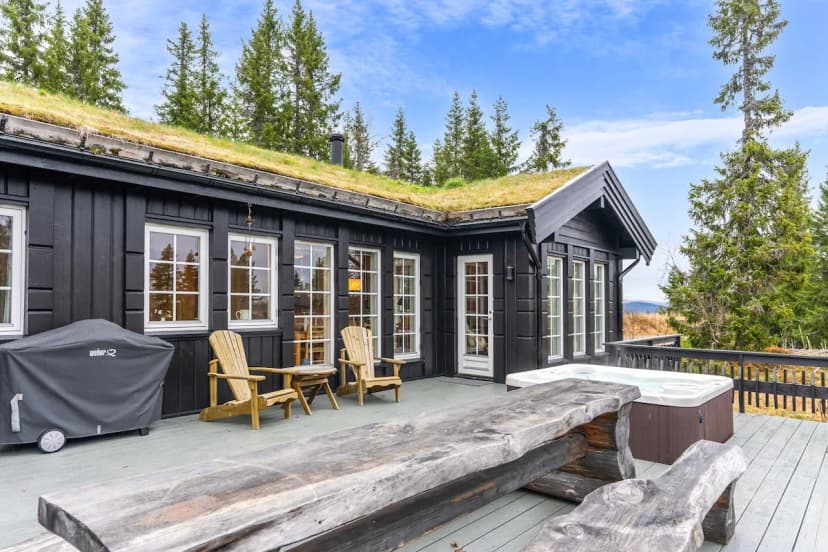
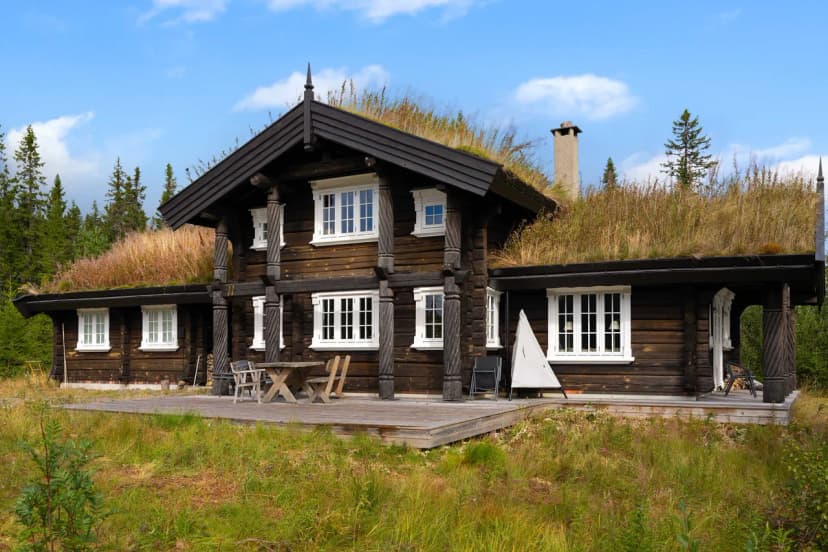
Trysil lies in Innlandet county, a forested corner of eastern Norway hard against the Swedish border. The resort wraps around Trysilfjellet, a free-standing mountain rising above the valley of the Trysilelva, with the small town of Innbygda at its foot. Accommodation clusters on the mountain itself: Trysil Turistsenter and Høyfjellssenter on the west side for the widest ski access, and Fageråsen higher on the north side for quiet, ski-in cabin living among the trees. The style here is the Norwegian mountain lodge, timber-built, generously spaced, with saunas and log fires as standard. Our cabins and chalets favour ski-in positions with room for families and groups, supported by a concierge who arranges lift passes, ski school, equipment and grocery delivery before you arrive.
In winter, Trysilfjellet offers Norway's largest lift-served ski area, with long, sheltered forest runs that suit families and confident cruisers alike, plus terrain parks and a well-regarded ski school. Extensive cross-country trails thread the forest, and dog sledding, tobogganing and snowshoeing fill the days off skis. On clear, cold nights the northern lights occasionally show this far south. Summer belongs to the Trysil Bike Arena, whose purpose-built flow trails in Gullia have made the resort one of Scandinavia's leading mountain-biking destinations, while the Trysilelva draws fly fishers for grayling and trout on wide, wadeable water. Hiking routes climb the bare summit of Trysilfjellet for views across the border forests. The concierge can arrange guides, bike hire, fishing permits and canoe trips.
Trysil's kitchen is honest Norwegian mountain fare: elk and reindeer, cured meats, river trout, wild berries and waffles by the fire after a cold day. The resort villages hold a spread of restaurants from casual slope-side spots to smarter dining rooms, and the after-ski tradition is lively in season without overwhelming the resort's family character. Innbygda town adds bakeries and local shops for provisioning a cabin stay. Self-catering is part of Norwegian mountain culture and the lodges are built for it, with proper kitchens and dining tables made for long evenings; a private chef and pre-arrival grocery delivery, arranged through the concierge, make it effortless.
Trysil's inland, cold-climate position gives it dependable snow, and the ski season usually runs from November to late April, with the deepest mid-winter conditions from January to March. December brings short days and a properly Nordic Christmas atmosphere; March and April add long daylight and spring sunshine to full snow cover, the local favourite. Summer, from June to August, is mild and green, with near-endless daylight for biking, fishing and hiking, while September paints the birch and spruce forests in autumn colour. Cabin rates outside Norwegian school holidays are notably gentler, and the resort rarely feels crowded by Alpine standards at any time.
The quickest route is Scandinavian Mountains Airport (SCR) at Sälen, just across the Swedish border, around 45 minutes from the resort with seasonal winter flights. Oslo Gardermoen (OSL) offers far broader connections and sits about two and a half hours away by car or coach, on good roads the whole way. Driving is straightforward, and a car is useful for exploring the border forests and lakes, though within the resort the lifts and ski buses cover daily needs. The concierge arranges private transfers from either airport, along with equipment hire and passes ready at the cabin.