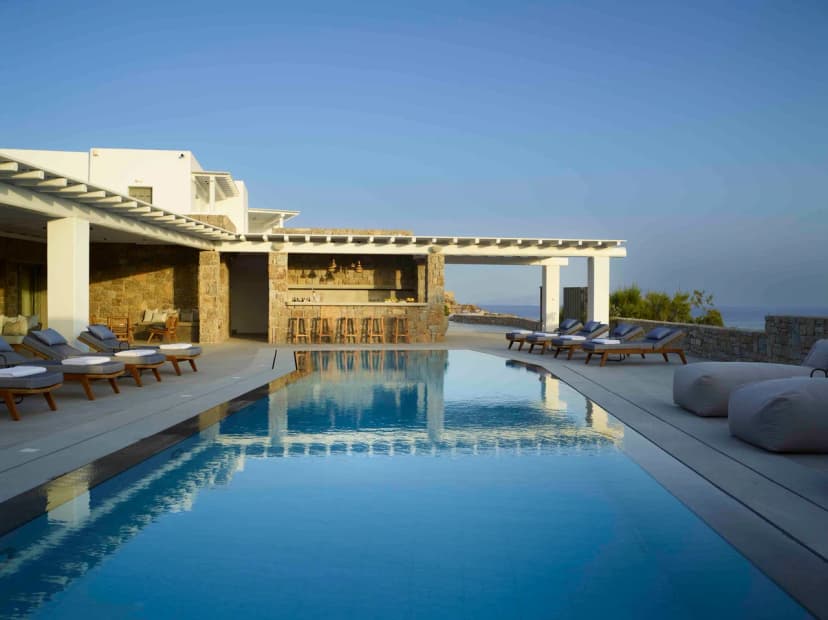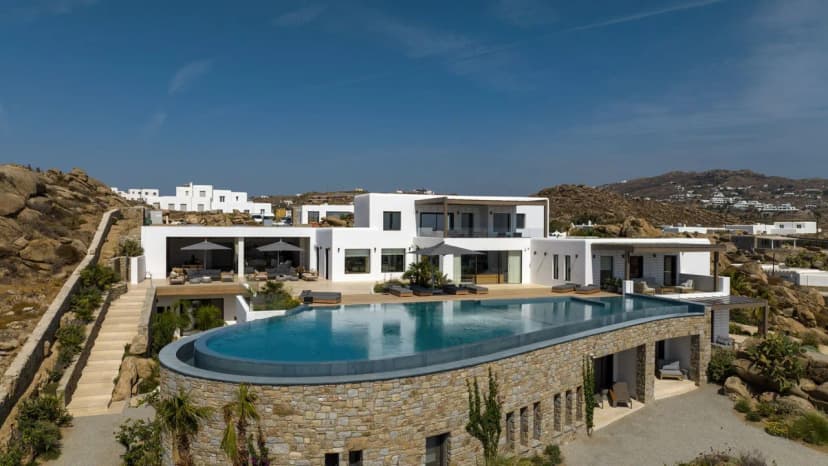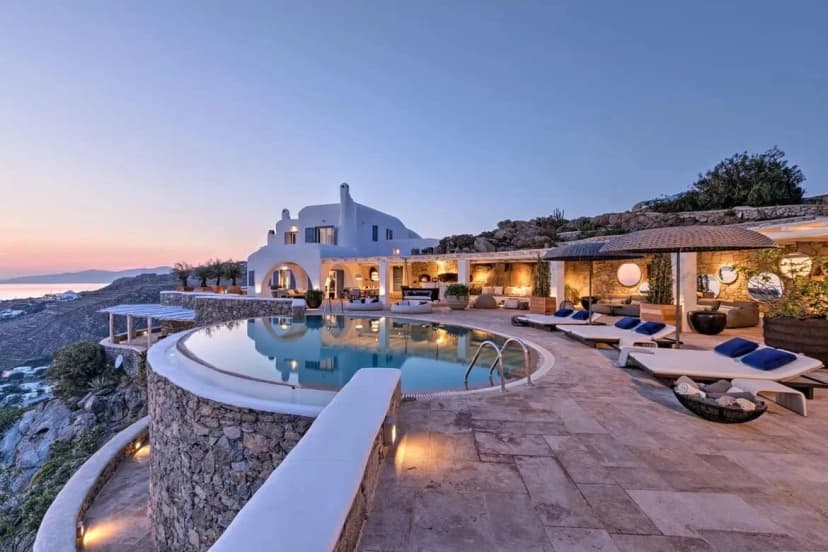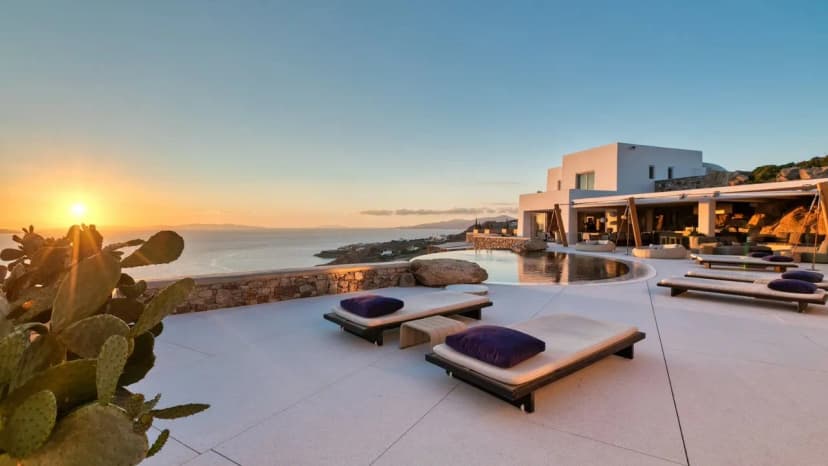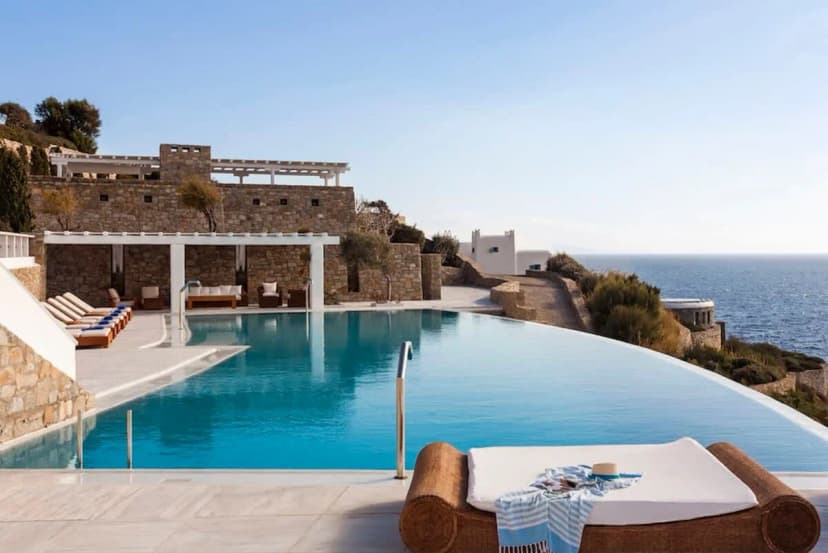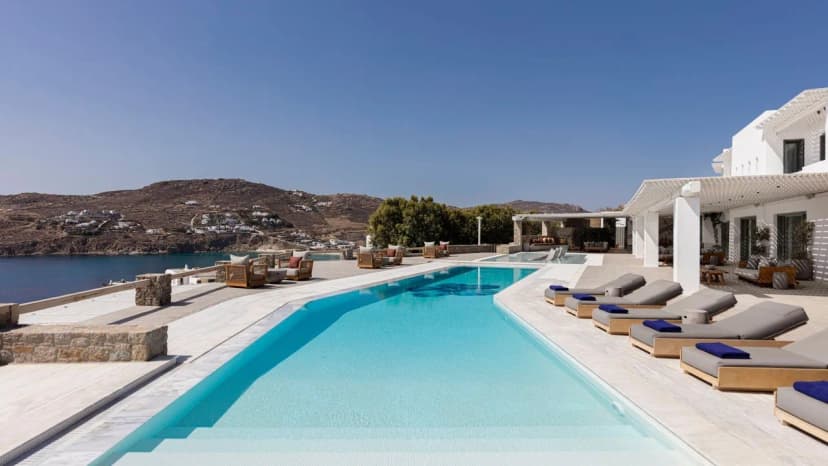
Mykonos Villa Complex With Stunning Sea ViewsN°001
Mykonos Town, Greece
Private poolSpa
From $32,436 per night
 Photo by Vladimir Carrer on Unsplash
Crete is Greece's largest island, where Minoan palaces, shepherds' villages and lagoon-blue beaches meet a food culture the rest of the Mediterranean still envies. Our collection of more than 300 luxury villas in Crete spans the island from Chania to Mirabello Bay, each with concierge care and room to explore at an unhurried pace.
Crete's most important celebration, with candlelit processions on Good Friday, midnight fireworks and lamb roasted in every village on Sunday. Renting a villa near a village square puts you at the heart of it.
A music festival on the famous hippie-era beach of Matala on the south coast, beneath the Roman-era caves. A relaxed, youthful counterpoint to a quiet villa week in the Heraklion countryside.
Theatre and early music staged in Rethymno's Venetian fortress and old town, honouring the island's Veneto-Cretan heritage. Combine a performance with dinner in the old harbour.
The height of the Greek summer, marked with church festivals, music and feasting across the island. Book villas and tables well ahead, as Greek families holiday this fortnight too.
The chestnut villages of western Crete celebrate the harvest with roasted chestnuts, sweets and raki around Elos, in the hills near Elafonissi. A good excuse for an autumn drive from a Chania-side villa.
Crete turns green and floral, the Samaria Gorge opens in May and Easter fills the villages with celebration. Ideal walking weather before the summer heat, with villa rates at their gentlest.
Long, reliably sunny days for the island's famous beaches, boat trips and late taverna dinners. A private pool matters most now: retreat from the midday sun and swim on your own schedule.
The sea stays warm into November while grapes, raki-making and then the olive harvest animate the villages. September and October are many regulars' favourite villa months.
Europe's southernmost large island keeps mild, walkable winters while the White Mountains and Psiloritis wear snow. Museums in Heraklion and Chania, seaside lunches and a fireside villa make an uncommon winter escape.
Crete stretches across the southern Aegean as Greece's largest island and the fifth largest in the Mediterranean. Its character shifts sharply from coast to coast: sandy beaches line the north, while canyons and cliffs drop into the Libyan Sea along the south. The island divides into four regions worth knowing. Chania and Rethymno in the west are prized for Venetian harbours and wild western beaches; Heraklion, home to the capital, anchors the island's Minoan archaeology; Lasithi to the east holds Agios Nikolaos and the calm waters of Mirabello Bay. Each carries its own pace, cuisine and landscape.
Where you base yourself shapes the holiday. Agia Pelagia, a sheltered cove northwest of Heraklion, suits families with its calm bay and short airport run, while neighbouring Amoudara offers a long sandy beach close to the capital. Agios Nikolaos in Lasithi is elegant and walkable, set around its lagoon and the deep blue of Mirabello Bay; Chania and Rethymno serve the west's Venetian old towns and wilder beaches. Our more than 300 luxury villas in Crete range from hillside retreats with infinity pools to coastal homes steps from the sand and estates framed by olive groves, most with sea views, generous terraces and concierge support for transfers, chefs and excursions.
History runs deep here. Walk the restored corridors of the Palace of Knossos, explore Phaestos and Malia, then trace the story at the Heraklion Archaeological Museum, home to the finest Minoan collection anywhere. The beaches are equally storied: Balos shimmers with shallow lagoon water off the Gramvousa peninsula, Elafonissi glows faintly pink at the island's south-western corner, and Falassarna unfurls a long ribbon of golden sand facing the sunset. Hike the Samaria Gorge once it opens in May, sail the coast or kayak between coves, and keep a morning for the Venetian harbour at Chania. With concierge planning, days move easily between ancient sites, swimming and long lunches in plane-tree shade.
Cretan cooking needs little introduction. Rural tavernas often raise their own meat, press their own olive oil and distil their own raki, serving wild greens, cheeses made to household recipes and honey scented with mountain herbs. Follow the gourmet trail from village to village, pair each meal with local wine and accept the raki that arrives unbidden with the bill. After dark the mood ranges widely: old-town alleys in Chania and Rethymno hide intimate bars, waterfront terraces frame the night sky, and Malia and Stalis draw a younger, louder crowd. For quieter evenings, a private chef at the villa is easily arranged.
Crete enjoys one of the longest seasons in Greece. May to October brings reliable sunshine and seas warm enough for swimming, with July and August the hottest and busiest months. June and September offer heat without the peak crowds and suit beaches and gorge walks alike. Spring carpets the hills in wildflowers and belongs to hikers, while autumn's grape pressing, raki-making and olive harvest animate the villages. Cultural life runs year-round, from the pre-Lent Carnival to summer festivals in the coastal towns.
Crete has two international airports. Heraklion (HER) serves the centre and east, convenient for Knossos, Agios Nikolaos and the Lasithi coast; Chania (CHQ) is the gateway to the west, Rethymno and the Venetian harbours. Ferries link the island to Piraeus and other Greek isles for those travelling by sea. The island is large, well over 250 kilometres end to end, so a hire car or private driver is the best way to reach beaches, villages and archaeological sites at leisure. Our concierge can arrange airport transfers, car hire and bespoke itineraries.