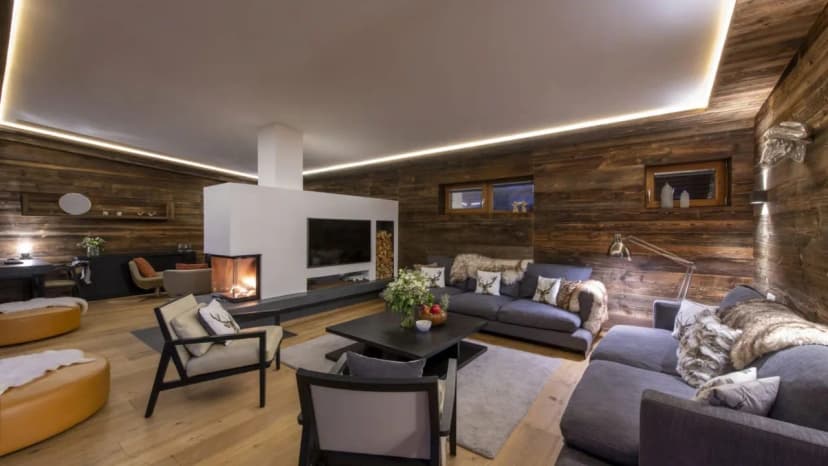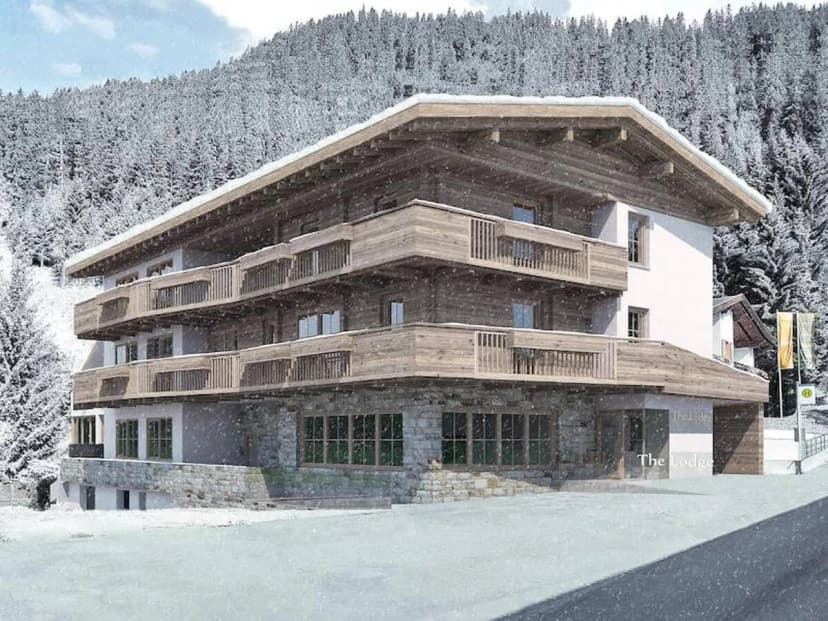
Superb Modern Alpine Style ChaletN°001
Sankt Anton am Arlberg, Austria
Hot tubGardenFireplace
From $10,465 per night
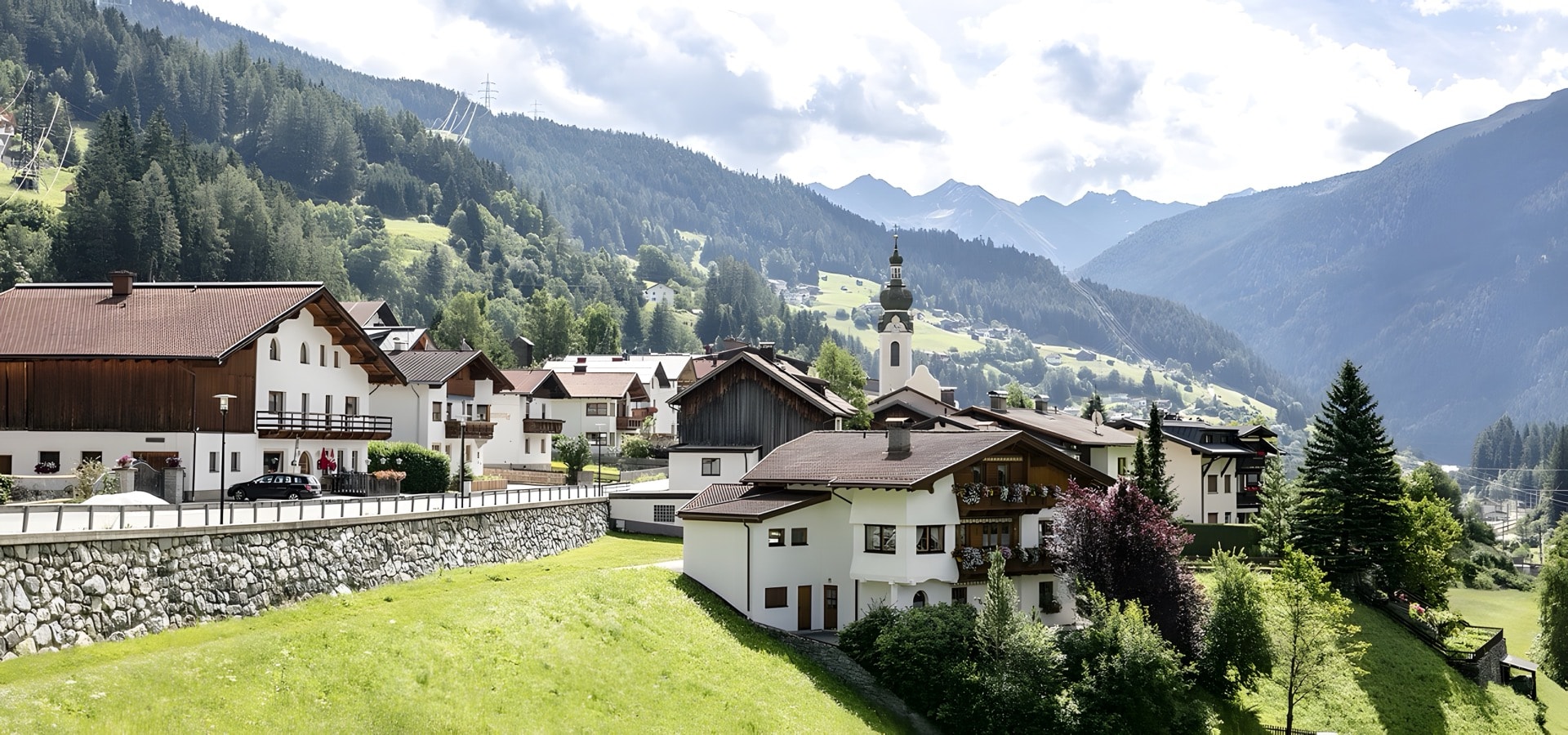
St. Anton am Arlberg is Tyrol's most storied ski village, the birthplace of the Arlberg technique and the eastern gateway to Ski Arlberg, Austria's largest connected ski area. Renting a luxury chalet here pairs serious mountain terrain with private saunas, open fires and a concierge to handle passes, instructors and transfers.
The White Thrill closes the season with a mass-start race from the Valluga ridge down to the village, one of the most famous and demanding amateur ski races in the Alps. The whole village turns out to watch the finish.
A spring festival that fills St. Anton's slopes and squares with jazz, blues and funk bands, pairing warm-weather skiing with free open-air concerts.
Vintage and classic cars tour the high alpine passes around the Arlberg from neighbouring Lech, filling the mountain roads with pre-war and mid-century machinery over a summer weekend.
Tyrol's traditional autumn homecoming, when decorated cattle are driven down from the high pastures through the villages, accompanied by markets, music and local food.
The full circuit to Lech, Zürs and Warth is open, with deep-winter powder in January and February and long spring-snow days into April.
Late-season skiing turns celebratory, with the Der Weisse Rausch race and slope-side concerts before the lifts close and the valley greens over.
Marked trails climb into the Verwall range, lifts carry bikes up Rendl, and the village enjoys cool, quiet mountain days far from winter's crowds.
Clear air, turning forests and the Almabtrieb cattle descent make early autumn the connoisseur's season, before the village pauses ahead of the snow.
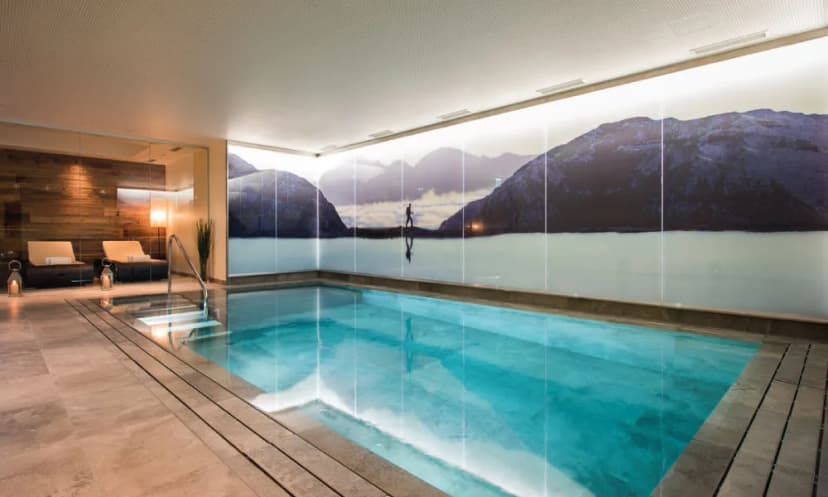
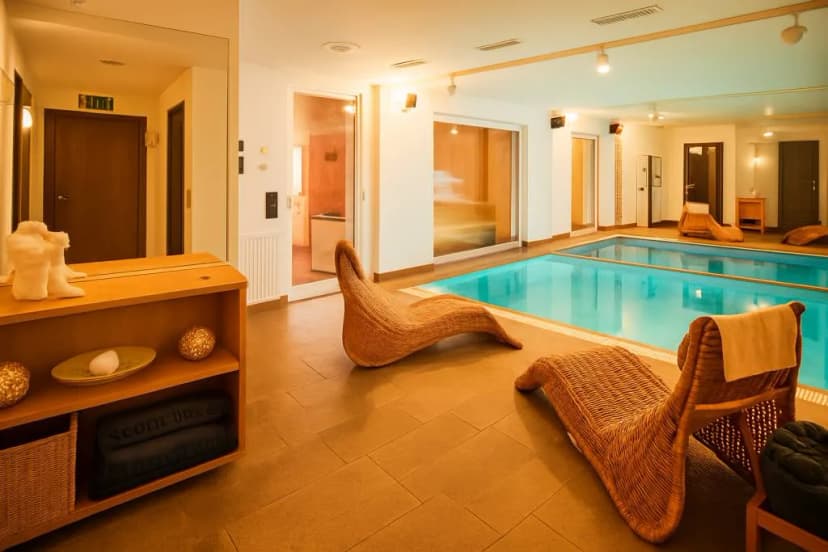
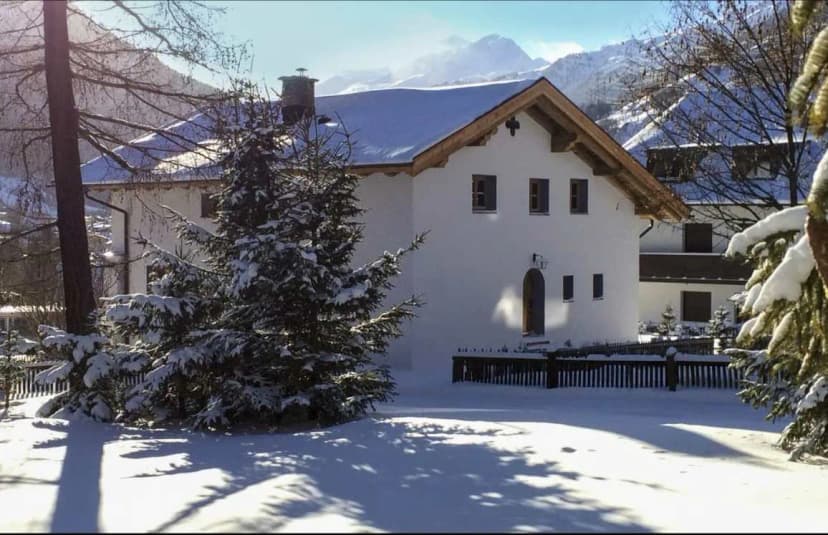
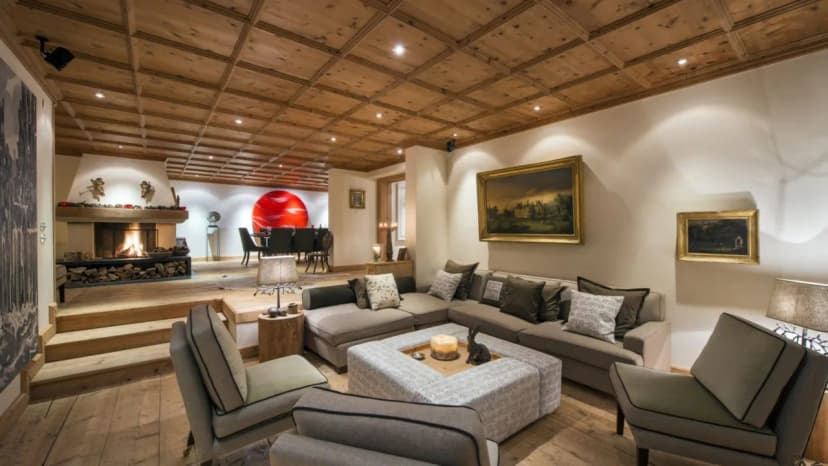
St. Anton sits at the eastern end of the Arlberg pass, a genuine Tyrolean village that grew up around the railway and the sport it helped invent. The pedestrianised centre clusters shops, restaurants and the Galzig and Gampen lifts, so chalets in and around the village core keep everything within a few minutes' walk. Quieter hamlets strung along the valley, Nasserein with its own gondola, Oberdorf on the sunny slope above the village, and St. Christoph high on the pass itself, trade nightlife for stillness and views. The Rendl side across the river offers a calmer mountain with the same lift pass. A luxury chalet here typically means timber and stone, a private sauna or spa, a proper boot room and space for a group, with our concierge arranging ski passes, in-chalet chefs and guides before you arrive.
Skiing comes first. Ski Arlberg links St. Anton with Lech, Zürs, Stuben and Warth-Schröcken in one vast circuit of groomed pistes, and the region's off-piste reputation is earned: the Valluga, Schindler Kar and the backside routes towards Zürs reward strong skiers with a local guide. Non-skiers and mixed groups have winter hiking trails, tobogganing from Gampen, and the arlberg-well.com pool and spa centre in the village. Après-ski on the lower slopes is famously spirited, easy to join and just as easy to skip in favour of a quiet chalet evening. In summer the village turns green and calm, with marked hiking routes towards the Verwall valley, lift-assisted mountain biking on Rendl and swimming at the Verwallsee. Your concierge can book instructors, mountain guides, ski fittings delivered to the chalet and tables in the village.
Tyrolean cooking suits a ski day: Käsespätzle, Tiroler Gröstl, dumplings and dark bread, followed by apple strudel or Kaiserschmarrn. St. Anton and the villages along the Arlberg have an unusually deep restaurant bench for their size, from wood-panelled stube dining to refined alpine tasting menus, and the mountain huts across Ski Arlberg make long lunches part of the sport. Neighbouring Lech and Zürs add some of Austria's most decorated kitchens within an easy taxi ride. Many guests settle into a rhythm of hut lunches and chalet dinners, with a private chef cooking at home after the last run. The concierge can arrange chefs, wine deliveries and hard-to-get tables across the region.
The ski season runs from early December to late April, with the Arlberg's exposed, snow-sure position giving one of the longest and most reliable winters in Austria. January and February bring the coldest temperatures and the best powder odds, while March and April offer longer days, spring snow and a softer pace. Christmas, New Year and February half-terms are the busiest weeks, so book chalets well ahead. Summer, from late June to September, is the quiet second season: hiking, biking and cool mountain air at a fraction of winter's bustle. May and November are between-season months when much of the village closes.
Innsbruck (INN) is the closest airport, roughly an hour and a quarter by road, with Zurich (ZRH) around two and a half hours and Friedrichshafen (FDH) a compact alternative in about two. St. Anton is also one of the easiest ski villages in the Alps to reach by rail: the station sits in the village on the Arlberg line, with direct trains from Zurich, Innsbruck and Vienna. Within the village, ski buses and taxis cover the short distances, and a car is unnecessary for most stays. The concierge arranges private airport transfers, equipment delivery and station pick-ups.