Peaceful Cambodian Retreat With Private PoolN°001
Krong Siem Reap, Cambodia
GardenAir conditioning
From $1,590 per night
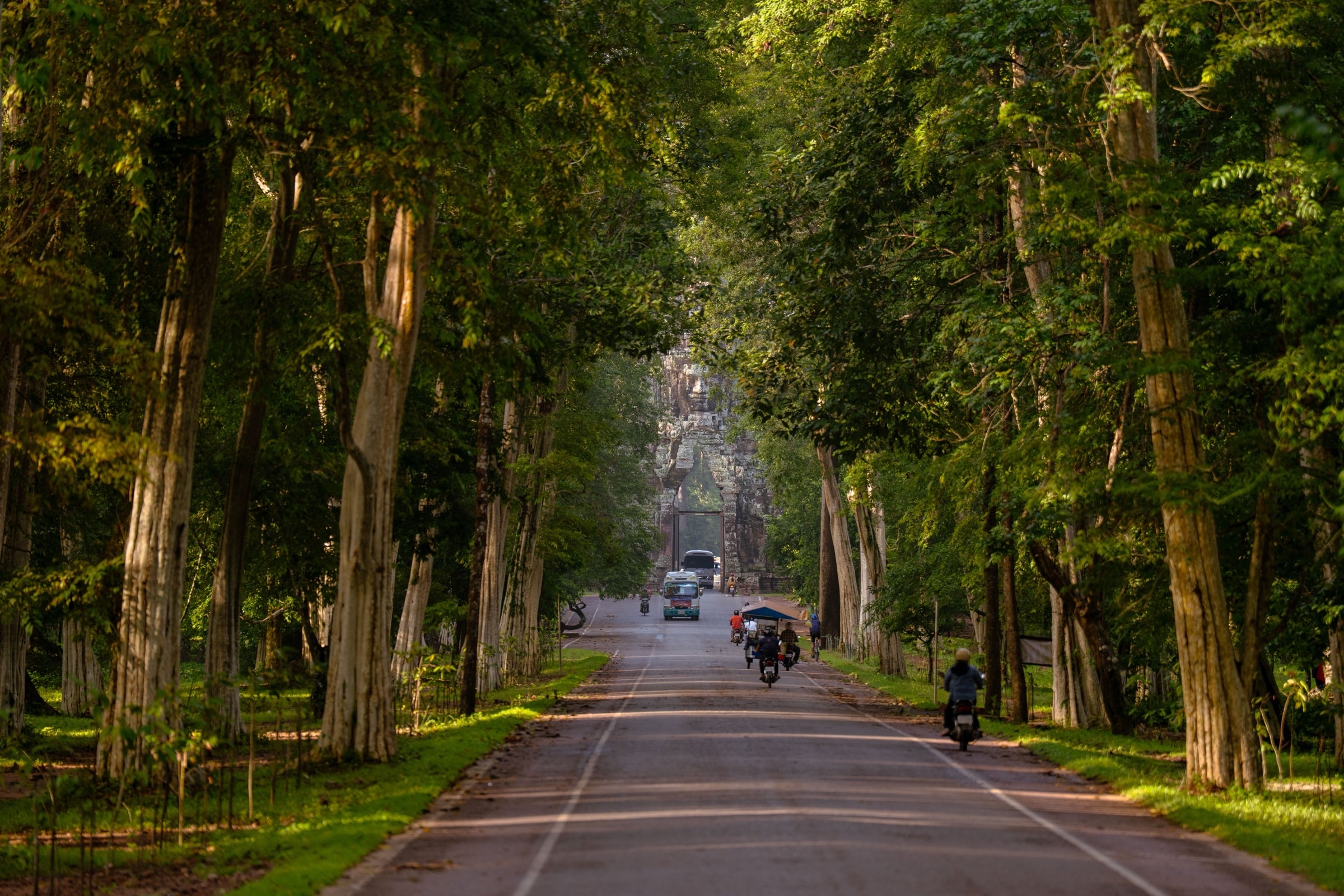 Photo by SARET SAYON
Siem Reap is the gracious, low-rise town at the doorstep of Angkor, the vast temple capital of the Khmer Empire and one of the wonders of the world. A private-pool villa here turns temple days into a civilised rhythm: dawn at Angkor Wat, a swim and a long lunch at home, then back out for golden hour at the Bayon.
Cambodia's biggest holiday brings three days of family celebration, temple blessings and traditional games, with the Angkor Sankranta festivities staged around the temples themselves. Expect joyous crowds and plan temple visits early.
The fifteen-day festival of the ancestors, when Cambodians bring offerings to pagodas at dawn. A quiet, moving time to experience the country's living Buddhist culture; some businesses close on the final days.
The full-moon festival marking the reversal of the Tonlé Sap river's flow, celebrated nationwide with boat races, illuminated floats and lantern releases; Siem Reap holds its own races on the river.
A long-established charity race that loops runners past Angkor Wat, the Bayon and Ta Prohm at dawn. Even non-runners enjoy the festive atmosphere in the park that weekend.
Dry skies and the year's coolest mornings make this the classic season for sunrise at Angkor Wat and long days among the ruins.
Temperatures soar, so the rhythm becomes early temple starts and shaded afternoons by your private pool, with April's Khmer New Year the cultural high point.
Brief afternoon monsoons turn the countryside lush and fill the temple moats, while mornings stay bright and the park feels wonderfully uncrowded.
The great lake reaches its fullest, making floating-village boat trips at Kampong Phluk most dramatic, with Pchum Ben bringing candle-lit pagoda mornings.
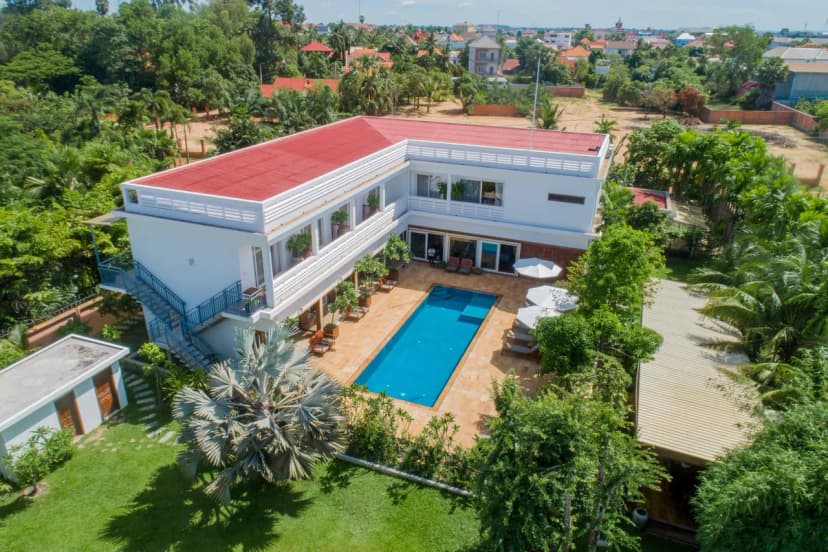
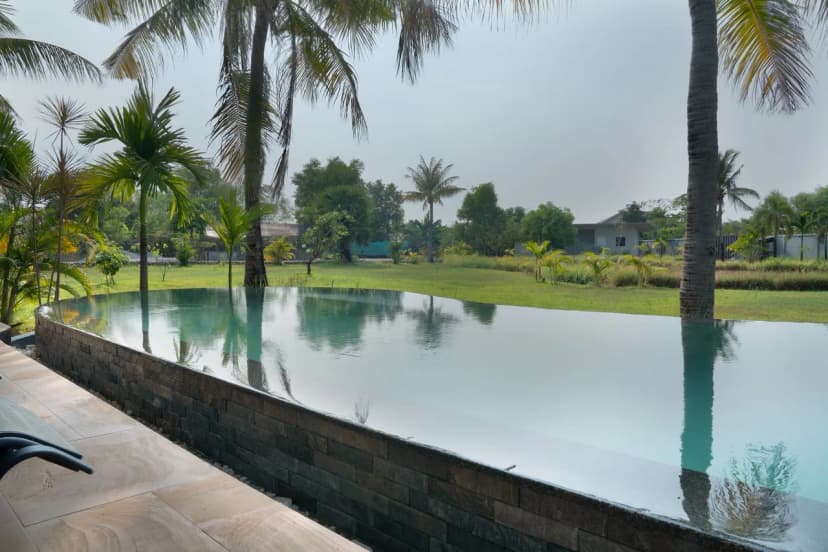
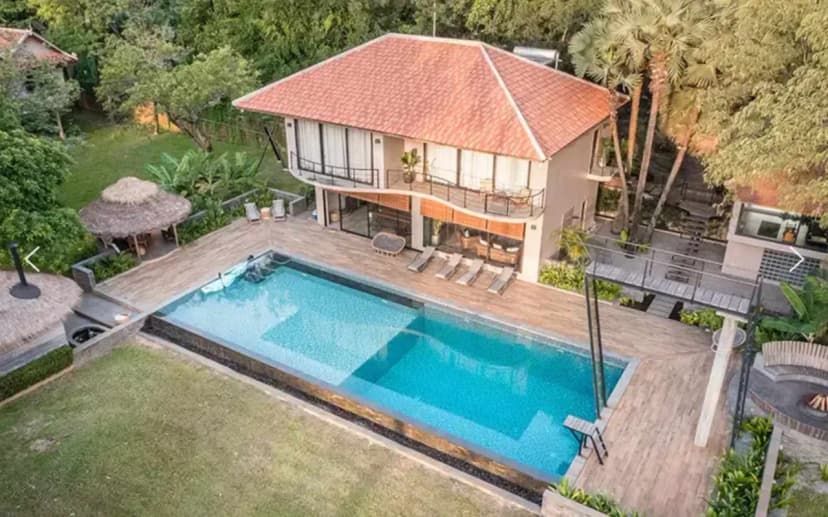
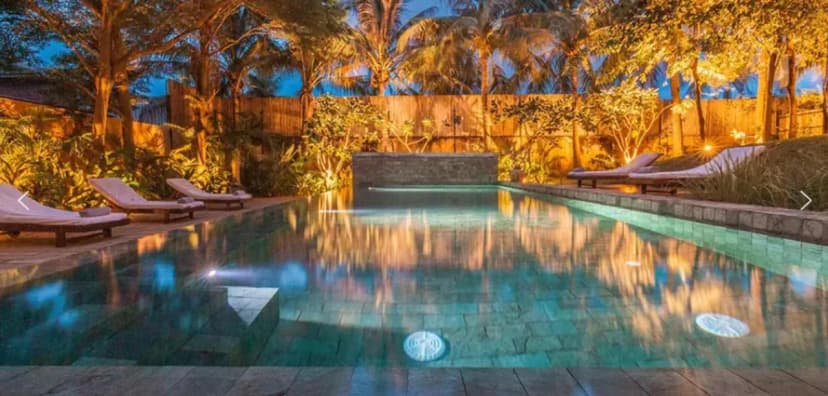
Siem Reap spreads along its namesake river a few kilometres south of the Angkor Archaeological Park, a town of tree-lined lanes, French-colonial shophouses and pagodas that has grown gracefully around its extraordinary neighbour. Luxury villas sit in leafy residential quarters such as Wat Bo and along the quiet roads between town and the temples, where walled gardens, mature trees and private pools keep the heat and bustle at arm's length. The riverside and old-market area hold the best restaurants, galleries and night markets, all a short remork (tuk-tuk) ride away. Staying in a staffed villa rather than a resort means cool, private space between temple outings, breakfast at your own hour and a concierge who books licensed guides, drivers and sunrise passes before you arrive.
Angkor rewards slow exploration: sunrise across the moat at Angkor Wat, the 216 carved faces of the Bayon at the heart of Angkor Thom, and Ta Prohm, where silk-cotton and strangler figs grip the masonry. Further afield lie Banteay Srei, the jewel-like pink-sandstone temple, and Kbal Spean's riverbed carvings on the slopes of Phnom Kulen. Away from the stones, take a boat among the stilted houses of Kampong Phluk on Tonlé Sap, Southeast Asia's largest lake, cycle the rice-field lanes at dusk, or spend an evening at Phare, the acclaimed Cambodian circus whose performers train in Battambang. The Angkor National Museum gives the empire useful context, and a private guide, arranged by the concierge, transforms the temples from spectacle into story.
Khmer cooking is subtle and aromatic, built on lemongrass, galangal, kaffir lime and prahok, the fermented fish seasoning that anchors the cuisine. Order fish amok, a silky coconut curry steamed in banana leaf, beef lok lak with lime-pepper dipping sauce, and green mango salads bright with herbs. Siem Reap's dining scene ranges from market stalls and the buzz of the Pub Street quarter to refined tasting menus led by a new generation of Cambodian chefs, with Kampot pepper and local palm sugar recurring on every good menu. Training restaurants that support hospitality students are a Siem Reap tradition worth seeking out. At the villa, a private chef can cook Khmer classics at home after a hot temple morning.
November to February is the classic window: dry, sunny and comparatively cool, ideal for long days among the temples, and correspondingly the busiest period. March to May turns fiercely hot, when a villa pool and early starts matter most. The green season, June to October, brings afternoon monsoon showers that rinse the crowds away, fill the moats and barays, and turn the rice country a saturated green; mornings are often clear and photographers love it. Tonlé Sap is highest, and the floating villages most dramatic, late in the wet season. Whenever you come, plan temple outings for dawn and late afternoon and rest at the villa through the midday heat.
Siem Reap-Angkor International Airport (SAI), opened in 2023, lies about forty-five minutes east of town and connects through regional hubs including Bangkok, Singapore, Kuala Lumpur and Ho Chi Minh City; there are no direct long-haul flights from Europe, so plan one smooth connection. From Phnom Penh it is around five to six hours by road or a short domestic flight. Once in Siem Reap, distances are small: remorks handle town trips, while temple days work best with an air-conditioned car, driver and licensed guide, all arranged by the concierge along with Angkor passes and sunrise logistics.