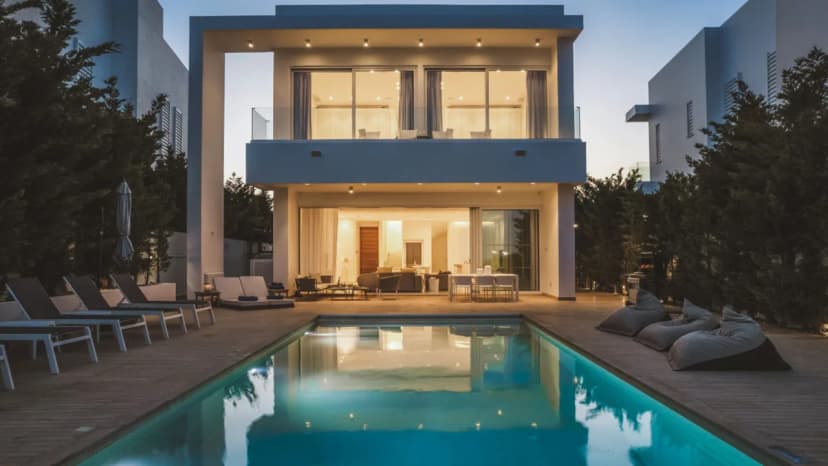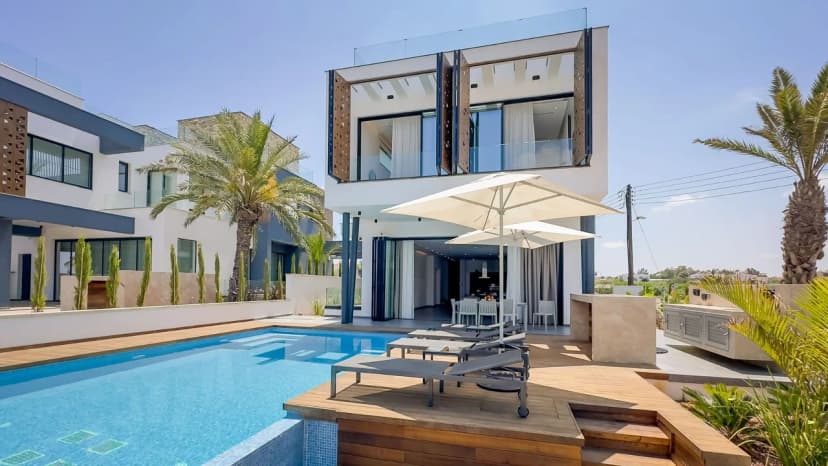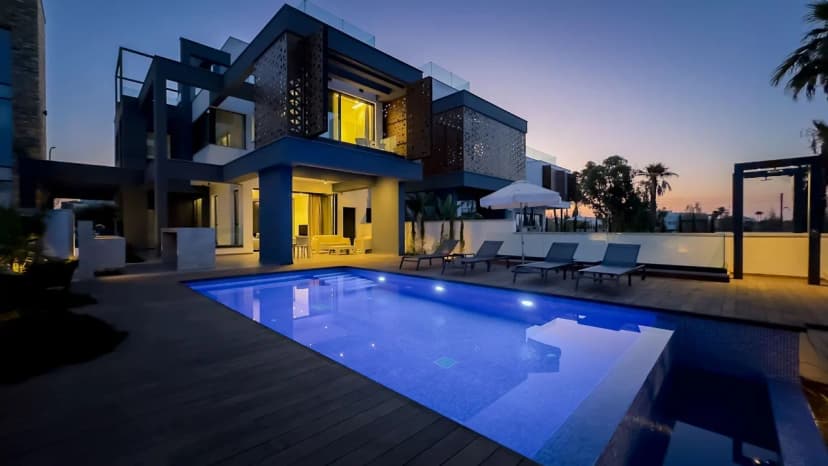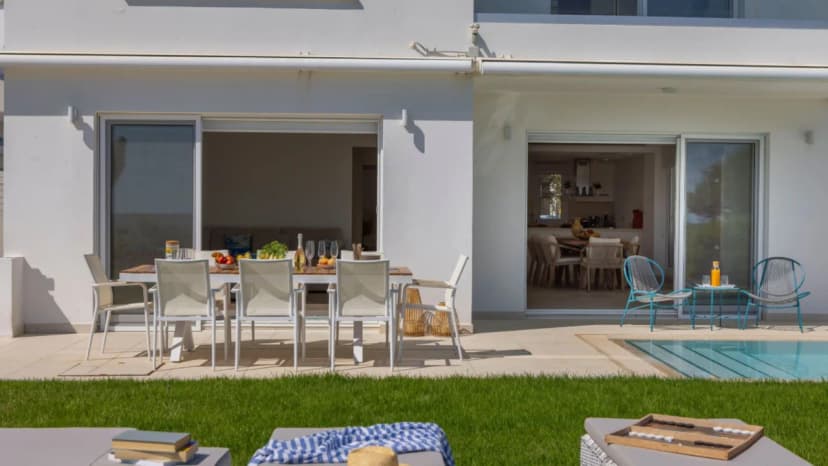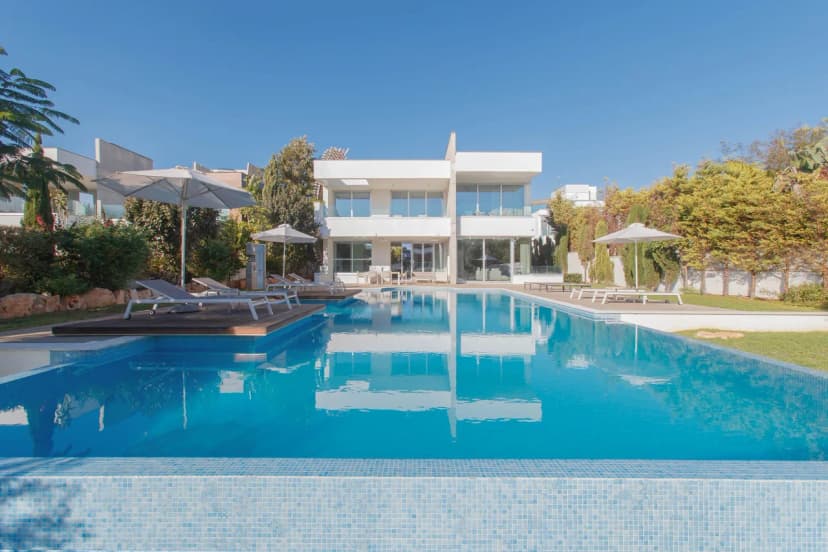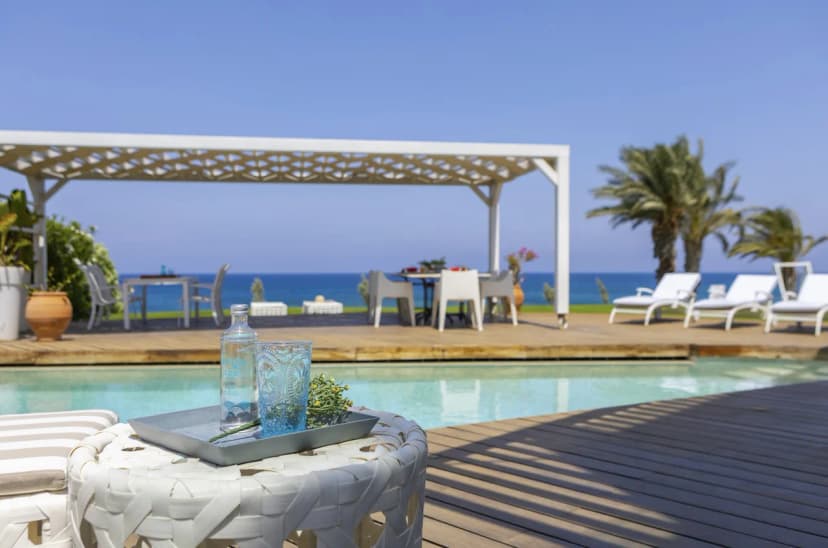
Extraordinary Villa in Serene Area of Sirina BayN°001
Protaras / Ayia Napa, Cyprus
From $2,017 per night
Famagusta is a region on Cyprus's eastern coast where medieval walled streets meet golden Mediterranean beaches. Renting a luxury villa in Famagusta gives you private-pool seclusion near Fig Tree Bay and Nissi Beach, plus a concierge to arrange diving, dining and day trips across the island.
The most important date in the Cypriot calendar, marked with midnight services, bonfires and long family feasts in the villages of the Famagusta district. Expect flaounes pastries and souvla on the spit.
A uniquely Cypriot seaside festival held in coastal towns, with water games, boat events, music and fairs along the shore. Paralimni and the nearby coast join in enthusiastically.
Three days of music, folklore and dance staged around the medieval monastery in Ayia Napa's old centre. It shows a more cultural side of the resort as the summer heat softens.
Cyprus's biggest carnival, an hour or so along the coast in Limassol, brings ten days of parades and fancy dress before Lent. A lively day trip during a quiet-season stay.
The countryside around Protaras and Paralimni greens over and temperatures settle in the mid twenties. Ideal for early-season swimming at Fig Tree Bay without the crowds.
Long, guaranteed sunshine and some of the Mediterranean's clearest bays, from Konnos to Nissi. A private pool and shaded terrace earn their keep in the afternoon heat.
The sea stays swimmable well into November while the resorts wind down. Perfect for couples and families with pre-school children seeking quiet sunshine.
Sunny, spring-like days suit coastal walks along the Cape Greco sea caves and taverna lunches inland. One of Europe's gentlest winter climates.
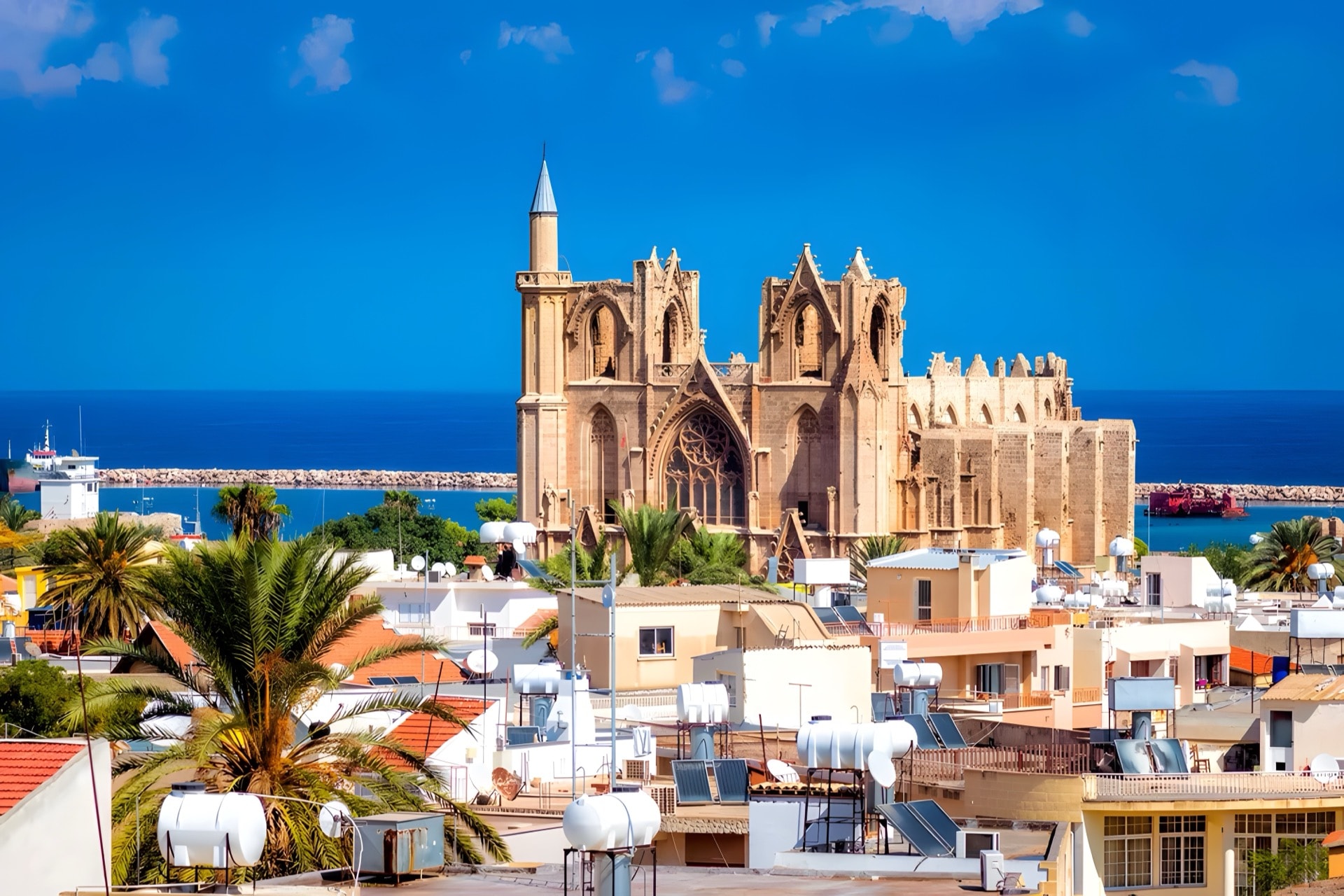
The Famagusta region stretches along Cyprus's south-eastern shore, pairing a deep historical core with some of the island's finest coastline. The fortified Old Town shelters layers of Gothic and Venetian architecture, including the Lala Mustafa Pasha Mosque, originally raised as a cathedral. Nearby lies Varosha, the famously sealed resort quarter whose silent streets add a haunting dimension to the area's story. Beyond the walls, the landscape softens into sweeping bays and citrus groves. This is a region of contrasts, where a morning among centuries-old ramparts gives way to an afternoon on soft sand. A luxury villa here places you between the two, with space, privacy and easy access to both.
Luxury villas in Famagusta range from contemporary retreats near the buzz of Protaras and Ayia Napa to quieter properties set back among the hills and groves. Families and groups gravitate towards the resort coast around Fig Tree Bay, where beaches and restaurants sit within easy reach. Those wanting calm choose villas further inland or along quieter stretches of shoreline, trading footfall for seclusion and sea views. Most homes in our curated collection offer private pools, generous outdoor living and shaded terraces built for long Mediterranean evenings. Wherever you base yourself, a Smiling House concierge can arrange transfers, provisioning, chefs and excursions, so the practicalities are handled before you arrive.
The coast is the headline draw. Fig Tree Bay, Nissi Beach and Konnos Bay deliver soft sand and clear, shallow water, while the surrounding sea rewards more active days. The Zenobia wreck, one of the Mediterranean's celebrated dive sites, lies within reach for divers and snorkellers, and beach centres offer jet-skiing, windsurfing and parasailing. On land, the Old Town's ramparts and churches make for an absorbing half-day, and the abandoned quarter of Varosha is a sobering, unforgettable sight. Day trips inland reach mountain villages, wineries and ancient ruins, making the region a strong base for exploring the wider island as well as its shoreline.
Famagusta's table reflects the island's blend of Mediterranean and Eastern Mediterranean cooking, built around fresh seafood, grilled meats and long meze spreads. Family-run tavernas serve souvlaki, grilled halloumi and the day's catch, while traditional confectioners turn out baklava and künefe in the Old Town. Cosy cafés tucked among the historic streets suit relaxed lunches. After dark, the mood runs from laid-back to lively: seaside bars pour cocktails as the sun drops, atmospheric venues set within historic buildings mix character with a strong drinks list, and lounges offer live music and shisha. The nearby resorts of Ayia Napa and Protaras add a higher-energy scene for those who want it.
The region enjoys a long, dependable summer. From May to October the sea is warm and the skies are reliably clear, making it the prime window for beach days and watersports, with July and August the busiest and hottest. Late spring and early autumn, particularly May, June, September and October, balance fine weather with thinner crowds and gentler heat. April and November remain mild and well suited to sightseeing and walking, though the sea is cooler. Cultural festivals of music, theatre and wine punctuate the calendar, and a villa with a private pool means comfort whatever the season delivers.
Most visitors arrive through Larnaca International Airport, roughly an hour by road from the Famagusta coast and well connected to European hubs. Paphos International Airport is a longer alternative from the island's west. Car hire is the easiest way to reach a villa and explore at your own pace, linking beaches, the Old Town and inland villages with short, straightforward drives. Taxis and private transfers are readily available, and a Smiling House concierge can arrange airport pick-up and a vehicle before you land. Once settled, the compact geography means beaches, dining and historic sights are rarely more than a short journey from your door.