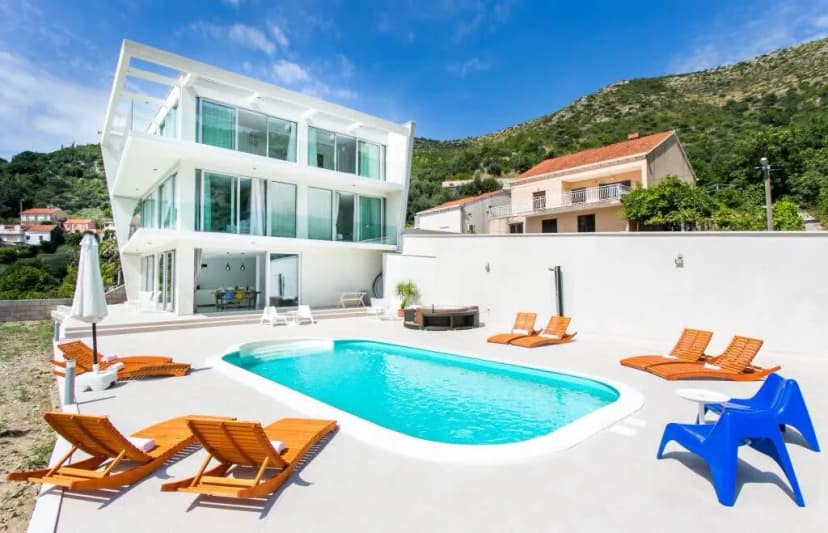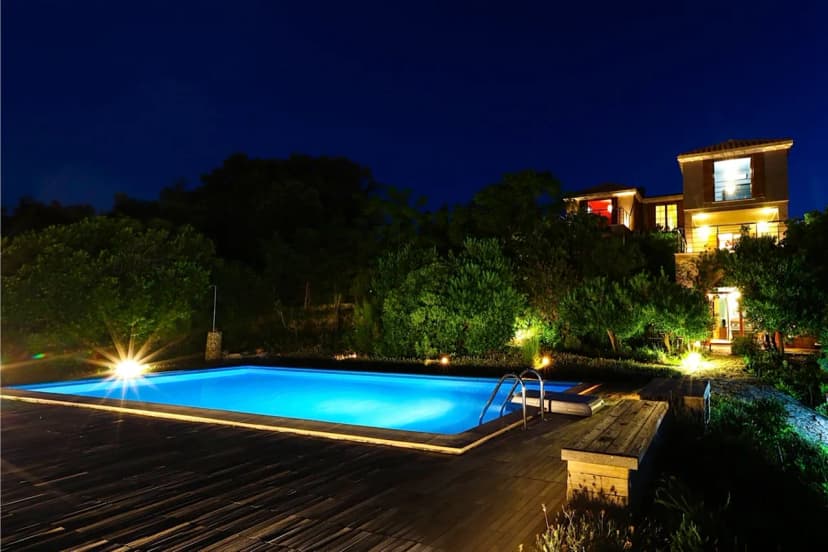
Exclusive Luxury Villa with Exquisite GymN°001
Dubrovnik-Neretva, Croatia
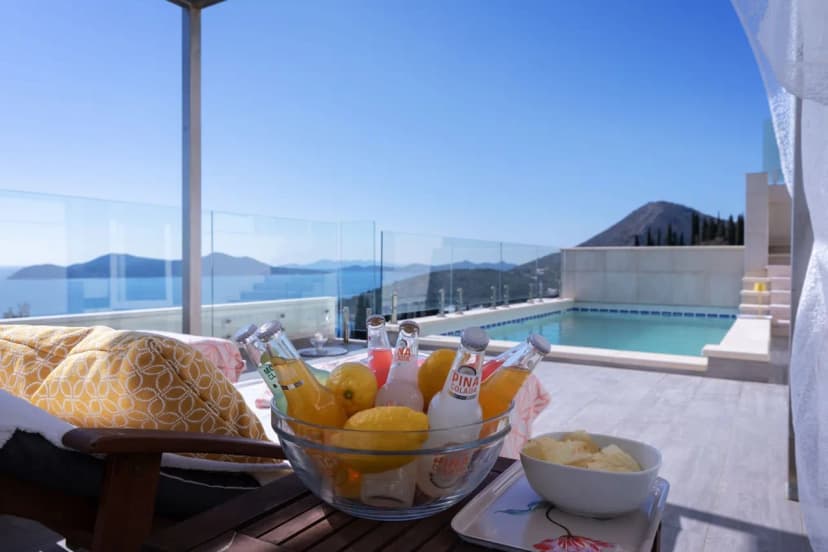
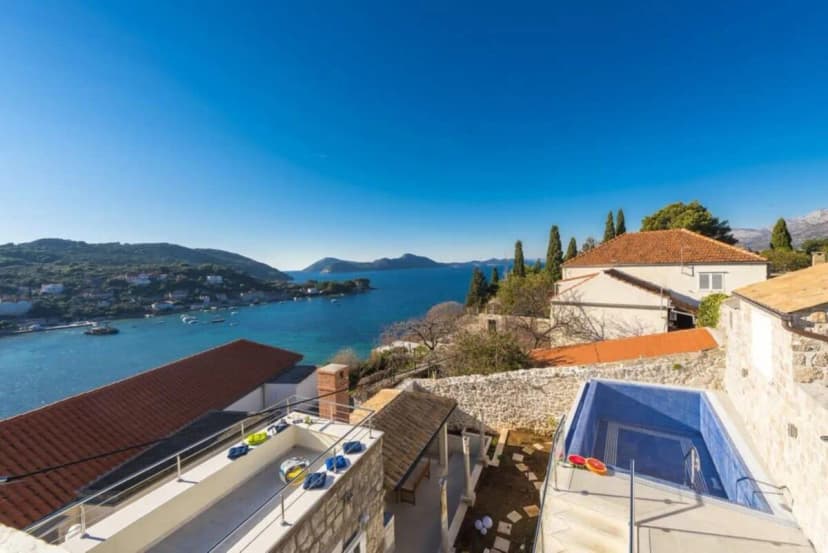
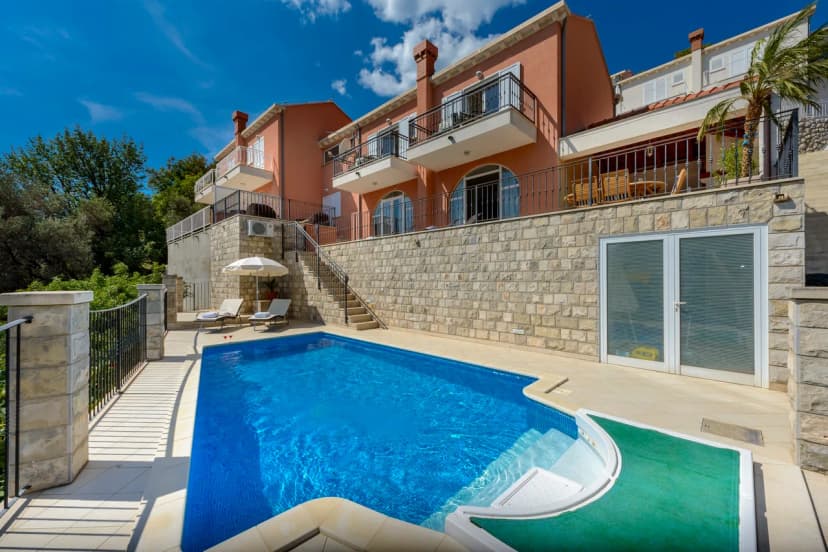
Private poolSea viewWaterfront
From $1,552 per night
 Photo by Spencer Davis on Unsplash
Dubrovnik-Neretva is Croatia's southernmost county, gathering the walled city of Dubrovnik, the car-free Elaphiti Islands, the Pelješac wine peninsula and the green national-park island of Mljet along one spectacular Adriatic shore. A private villa here, in a bay like Zaton or on island Koločep, gives you sea-edge calm with the old city minutes away.
Croatia's flagship arts festival, running since 1950, stages theatre, classical music and dance in the old town's squares, palaces and fortresses on warm summer nights.
Dubrovnik's thousand-year-old celebration of its patron saint, inscribed by UNESCO, fills the Stradun with processions, banners and relics; the city's most authentic day.
Korčula town's centuries-old moreška, a dramatic sword dance of battling kings, is performed through the summer season, traditionally peaking around the town's feast day in late July.
A city-wide autumn celebration of Dubrovnik's gastronomy, with workshops, tastings and special menus, well timed for a quiet shoulder-season stay.
Wildflowers cover the Elaphiti and Mljet, the old town is at its least crowded and the first swims arrive in sheltered coves by late May.
The Summer Festival lights up Dubrovnik's fortresses while long, hot days are best spent island-hopping the Elaphiti with a skippered boat and a villa pool waiting.
September's sea is the year's warmest, crowds thin, and Pelješac brings in the Plavac Mali harvest, with oysters at Ston and golden light on the walls.
Mild, quiet months when Dubrovnik belongs to its citizens, culminating in the Feast of St Blaise in February. Best for atmospheric city stays rather than beaches.
The county arcs along Croatia's far south. Dubrovnik itself is the magnet, its limestone streets and city walls best enjoyed early and late from a base outside the crowds: the bays of Zaton and Orašac, ten to twenty minutes north-west, are classic villa territory, all olive groves, private jetties and sea-facing pools. Offshore lie the Elaphiti Islands, where car-free Koločep and Lopud offer sandy coves and total decompression within a short boat ride of the city. Westwards, the Pelješac peninsula is wine and oyster country, guarded by the immense stone walls of Ston, with Korčula's medieval island town across a narrow channel and Mljet's national park to the south. Inland, the Neretva delta patterns the map with citrus orchards and channels. Choose the Dubrovnik Riviera for sightseeing ease, the islands and Pelješac for privacy and slow days.
Walk Dubrovnik's city walls at opening time, ride the cable car up Srđ for sunset over the rooftops, and take a kayak beneath the fortifications around Lokrum island. Boat days define the region: island-hop the Elaphiti, swimming off Koločep's coves and Lopud's sandy Šunj beach, or cruise to Mljet to cycle around its two saltwater lakes and visit the islet monastery. On Pelješac, taste Dingač and Postup wines in cellar doors along the vertiginous coastal vineyards, then eat oysters metres from where they grow in the Bay of Mali Ston and climb Ston's fortifications, among the longest stone walls in Europe. Korčula town rewards a day with its herringbone streets and the Moreška sword dance, and history continues in Cavtat's waterfront and the Trsteno Arboretum's Renaissance gardens. Your concierge arranges skippered boats, guides and tastings.
This is one of Croatia's finest tables. The Bay of Mali Ston produces oysters and mussels prized since antiquity, eaten raw with lemon at waterside shacks or dressed up in Dubrovnik's refined restaurants. The Adriatic supplies scampi, octopus for peka (slow-cooked under an iron bell), and fish grilled over vine cuttings, while the Neretva delta adds eel and frog brudet, citrus and stone fruit. Pelješac's steep vineyards yield Croatia's most celebrated reds from the Plavac Mali grape, with white Pošip across the water on Korčula. Dubrovnik's dining scene now spans konoba home cooking to Michelin-starred tasting menus, and villa life makes the most of it all: private chefs, market deliveries from Gruž harbour and wine tastings arranged on the terrace.
The season stretches generously here, in Croatia's sunniest corner. May and June bring warm seas, long days and manageable crowds in the old town, with everything open and the islands green. July and August are peak months: hot, busy and vivid, with the Dubrovnik Summer Festival animating the city's squares and fortresses; villas outside the walls, with pools and boat access, are the intelligent way to enjoy it. September is superb, the sea at its warmest and the light golden, easing into a quiet, mellow October good for wine harvests and city sightseeing. Winter is mild and largely closed on the islands, though Dubrovnik itself stays atmospheric, especially around the Feast of St Blaise in February.
Dubrovnik Airport (DBV) at Čilipi is the gateway, around thirty minutes from the old town and the Zaton and Orašac villa areas, with direct seasonal flights from across Europe and year-round connections via Zagreb. Catamaran and ferry services from Dubrovnik's Gruž harbour link the Elaphiti Islands, Mljet and Korčula, and local boats shuttle to Koločep in under half an hour. Drivers arriving from Split now use the Pelješac Bridge, which keeps the route within Croatia. Island villas are best paired with arranged boat transfers; on the mainland a hire car helps for Ston, Pelješac and the Neretva delta, and the concierge can organise drivers, transfers and charters throughout.