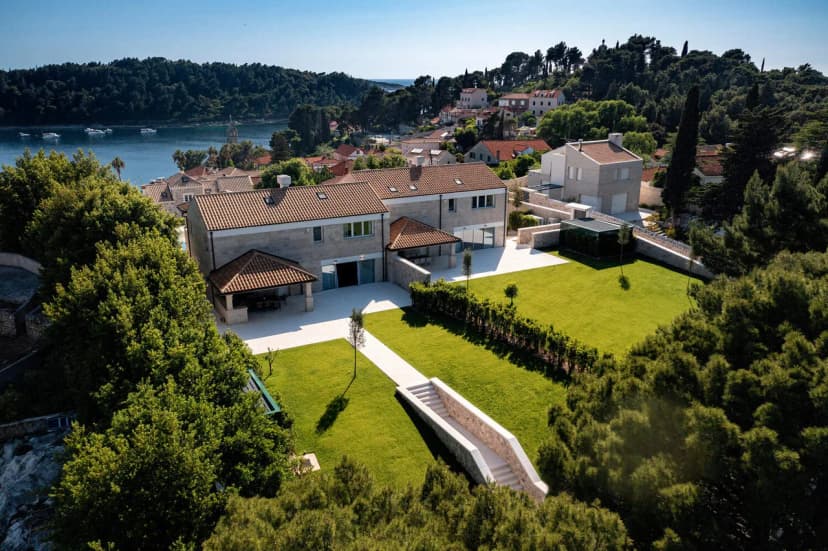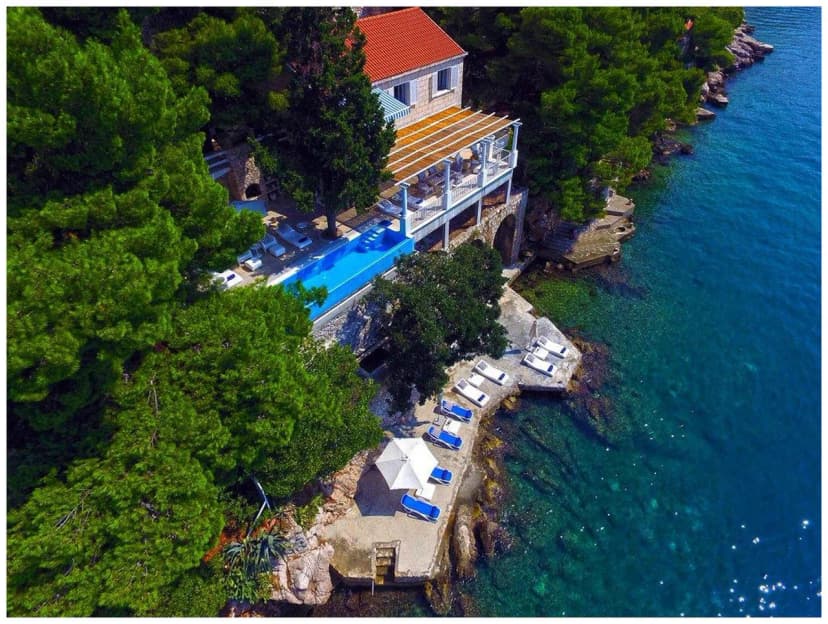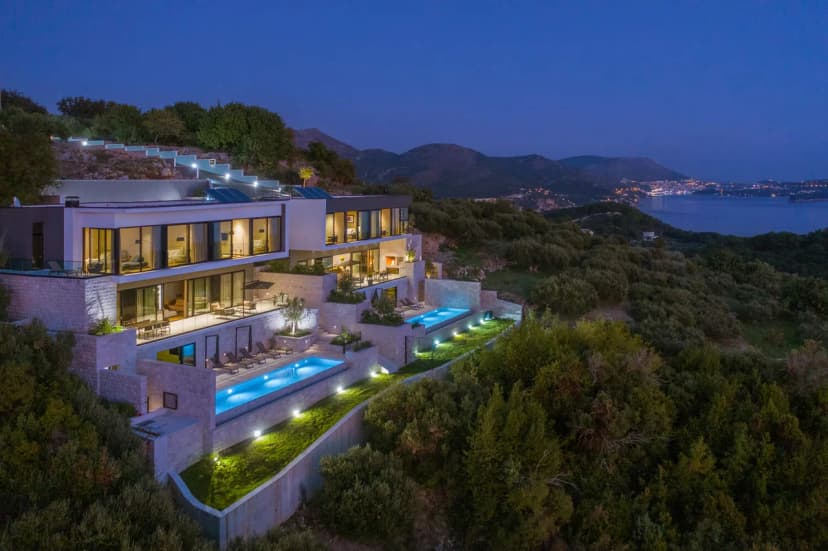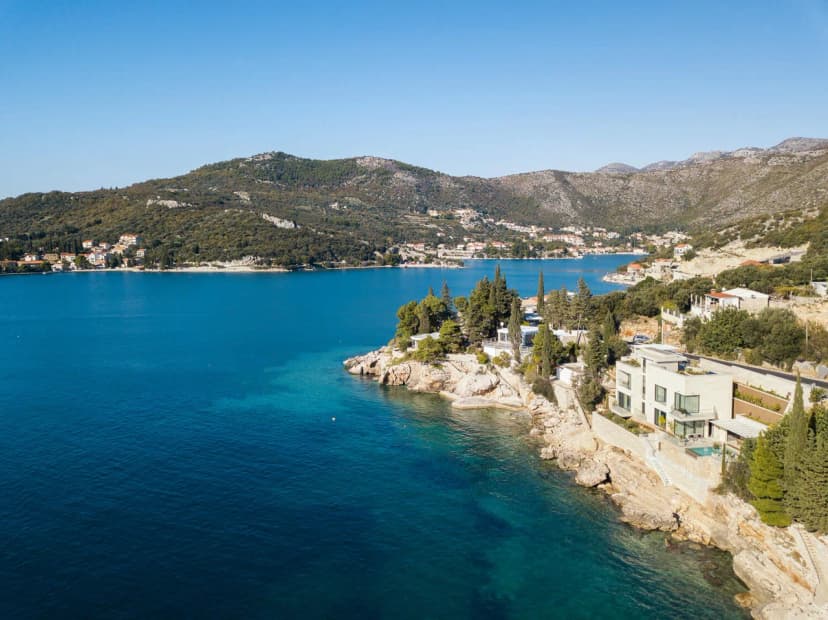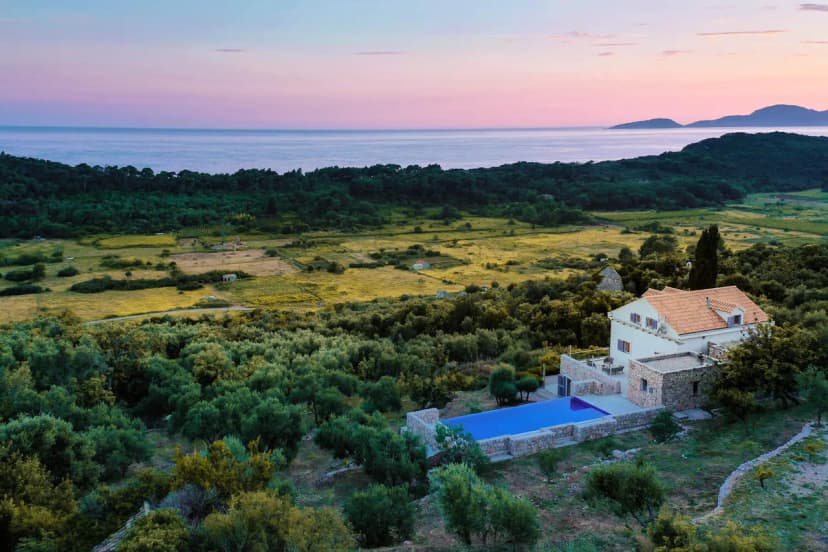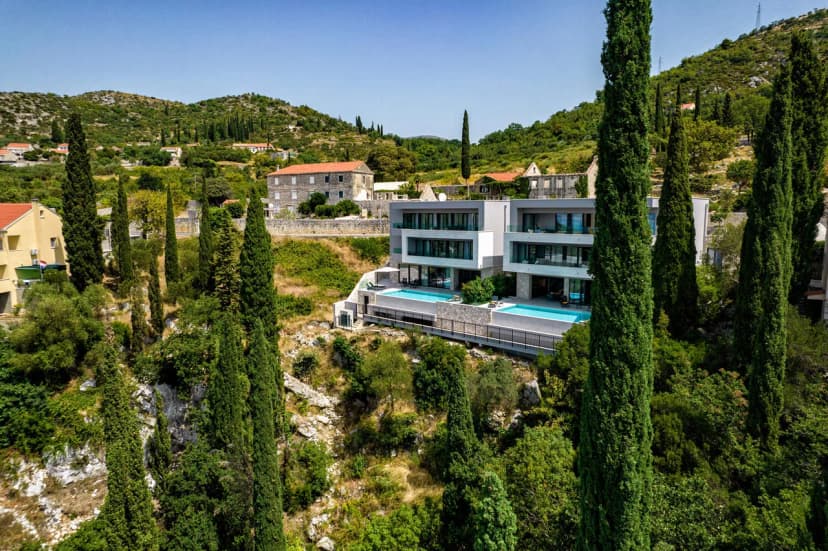
FANTASTIC DELUXE VILLA SURROUNDED BY PANORAMIC SEA VIEWSN°001
Dubrovnik, Croatia
Sea view
From $10,465 per night
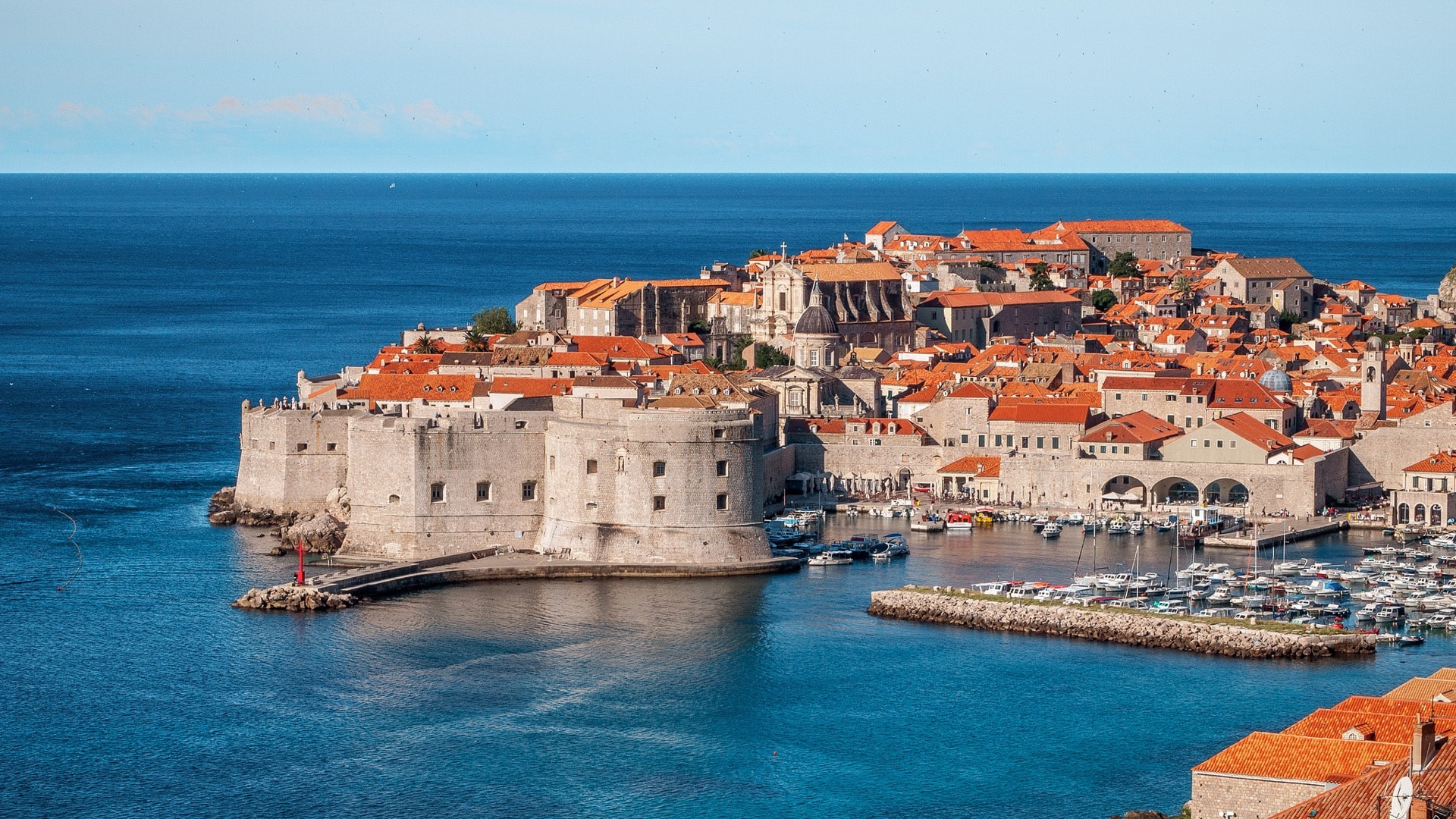
Dubrovnik is Croatia's most refined coastal destination, a UNESCO-listed walled city on the Adriatic once ruled by the Republic of Ragusa. Renting a luxury villa here pairs Old Town heritage with private pools, sea views and concierge care, ideal for families and groups seeking discreet Dalmatian glamour.
Dubrovnik has honoured its patron saint with processions, banners and relics since the tenth century, a tradition inscribed by UNESCO. The old city at its most authentically itself, without a cruise ship in sight.
For six weeks the city's fortresses, palaces and squares become stages for theatre, opera and classical music. Croatia's most prestigious festival: book performances and villas well ahead.
Holy Week processions wind through the marble streets and churches of the walled city. A moving, low-season moment to have Dubrovnik largely to yourself.
Advent stalls, lights and concerts along Stradun bring gentle festivity to the old town through December. Combined with mild coastal weather, it makes an appealing off-season escape.
Walk the full circuit of the city walls in soft light and comfortable temperatures, with Lokrum island turning green offshore. Villas on the Lapad and Zaton coasts are quiet and well priced.
The Summer Festival, boat days to the Elaphiti islands and long evenings on the Stradun define high season. A villa with a pool outside the walls gives you the spectacle plus an escape from it.
Swimming holds into October while the Konavle valley south of the city brings in grapes and olives. Many consider September and October the finest months for a Dubrovnik villa.
The old city returns to its residents, with the Feast of St Blaise and Advent lights as highlights of a mild Mediterranean winter. Ideal for travellers who want the UNESCO city without the queues.
Dubrovnik, the "Pearl of the Adriatic," sits at the southern tip of Croatia where limestone-paved streets, Baroque churches and aristocratic palazzi crowd within fortified walls. Founded in the seventh century and shaped by Venetian and Hungarian rule, it flourished as the seafaring Republic of Ragusa between 1358 and 1808. Its greatest growth came in the fifteenth and sixteenth centuries, an era still visible in the architecture that earned UNESCO World Heritage status. Beyond the ramparts, the surrounding Dubrovnik-Neretva region unfolds along the Dalmatian coast, with vineyards, harbour villages and the Peljesac peninsula. A luxury villa here places you within reach of this history while offering the privacy, space and calm that a hotel rarely matches.
Choosing where to base a luxury villa in Dubrovnik depends on the rhythm you want. The Lapad peninsula, a few kilometres west of the centre, blends quiet beaches with easy access to the Old Town. Nearby Orebic on the Peljesac peninsula suits those drawn to wine country and sailing, while the village of Ljuta in the Konavle valley offers rural serenity beside running streams. Cilipi, close to the airport, is convenient for arrivals and traditional folklore, and Sipanska Luka on Sipan island delivers secluded island living among the Elaphiti. Our curated collection favours villas with private pools, sea-facing terraces and landscaped gardens, each chosen for its setting and discretion.
Begin with a circuit of the city walls, then ride Dubrovnik's orange cable car 778 metres to the summit of Mount Srd in around three minutes for sweeping views of terracotta rooftops and offshore archipelagos. The rocky, pebbled coast invites swimming, scuba diving and sea kayaking, while taxi-boats from the Old Town harbour reach tiny Lokrum islet with its botanical gardens. From Gruz port, ferries serve the pine-scented Elaphiti islands. Fans of Game of Thrones can trace King's Landing filming locations through the lanes, and cultural travellers will find festivals, galleries and concerts staged within historic courtyards throughout the warmer months.
Dubrovnik has grown into a confident gastronomic city, proud of fresh local produce and Adriatic seafood. Menus lean on locally sourced ingredients alongside contemporary Dalmatian cooking, with celebrated harbourside tables such as Nautika serving fish, oysters and Peljesac wines beside the sea. Konavle valley taverns and Peljesac vineyards reward day trips for those who enjoy tasting at the source. Evenings are gentle rather than frenetic. Atmospheric bars tucked into the walls, candlelit terraces and a handful of clubs keep the city lively after dark. With a private villa and concierge, you can also arrange a chef to cook on your own terrace overlooking the water.
The Adriatic season runs from May to early October. June and September are particularly rewarding, with warm seas, long evenings and lighter crowds than peak July and August. Spring and autumn suit walkers and culture-focused stays, while winter is quiet and reflective. Most travellers arrive at Dubrovnik Airport (DBV) at Cilipi, roughly 20 kilometres south of the Old Town, with direct flights from many European cities in season. Transfers, private drivers and boat charters are easily arranged through our concierge, who can also coordinate ferries to the Elaphiti islands and onward journeys along the Dalmatian coast to make every arrival seamless.