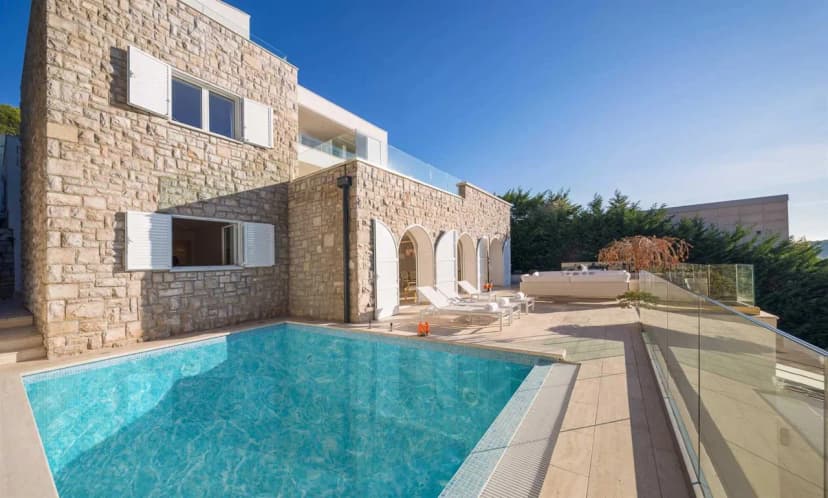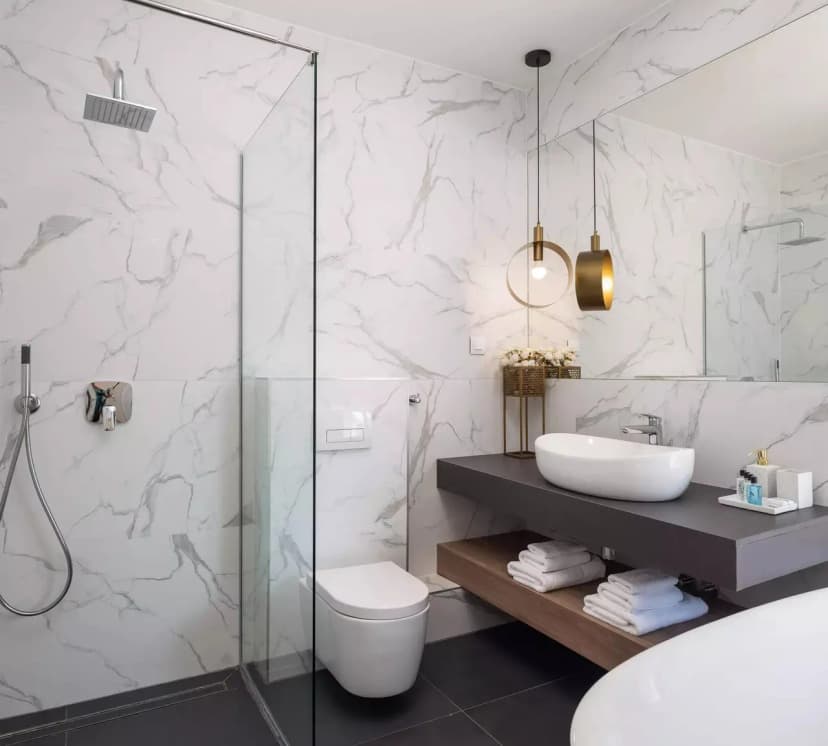
Gorgeous Sea Side Villa in SplitN°001
Dalmatian Coast, Croatia
Sea view
From $9,000 per night
 Photo by Pavle Brzakovic on Unsplash
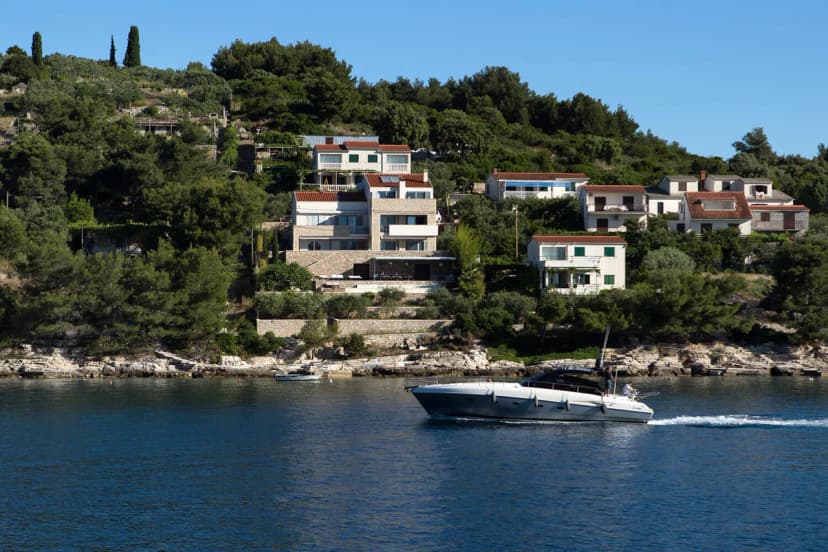
The Dalmatian Coast is Croatia's sun-drenched Adriatic shoreline, a ribbon of medieval towns, pine-clad islands and turquoise coves stretching from Split toward Dubrovnik. Renting a luxury villa here pairs private pools and waterfront seclusion with concierge access to Hvar, Brac and centuries of Venetian heritage.
Dubrovnik honours its patron saint with processions, banners and open churches in a tradition recognised by UNESCO. A rare chance to see the old city belong entirely to its citizens.
Opera, theatre and concerts play out in Diocletian's Palace and other historic stages across Split. Performances inside a Roman emperor's palace are hard to match.
Split hosts one of Europe's largest electronic music festivals, with afterparties spreading to Hvar and Brač. Choose your villa's island and week accordingly, to join it or to avoid it.
Horsemen in eighteenth-century dress tilt at a hanging ring at full gallop in Sinj, inland from Split, in a UNESCO-listed tournament held since 1715. A striking excursion from the coast.
For over seventy years the city's squares, fortresses and palaces have staged classical music, theatre and dance. The atmosphere inside the walls on a festival evening is unforgettable.
The coast greens up, seas warm for the first swims and old towns are pleasantly uncrowded. Ideal for sailing charters and island villas at gentler rates.
Long, dry days, water at its warmest and the great summer festivals in Split and Dubrovnik. A private villa with a pool is the antidote to peak-season bustle.
The Adriatic stays warm well into October while the wine and olive harvests fill konoba tables. Many consider this the coast's finest season.
Mild, often sunny winters leave Dubrovnik and Split calm and atmospheric, with the Feast of Saint Blaise in February. A contemplative time for off-season escapes.
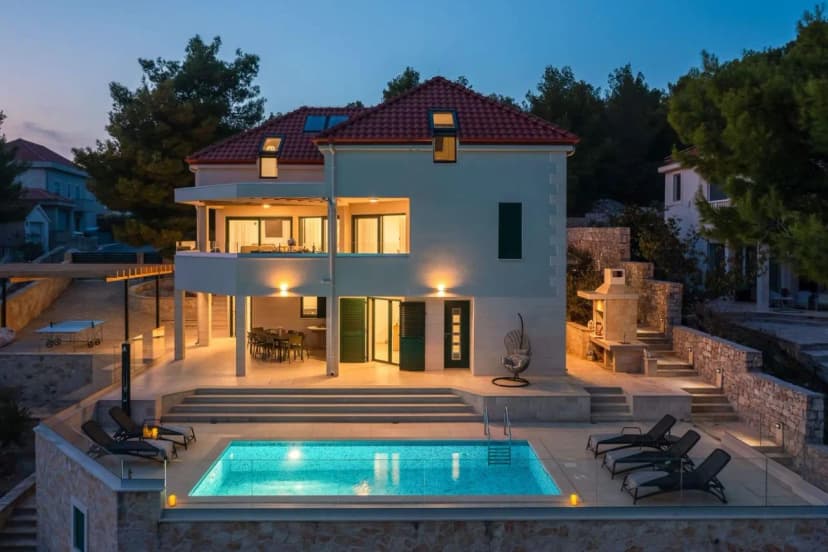
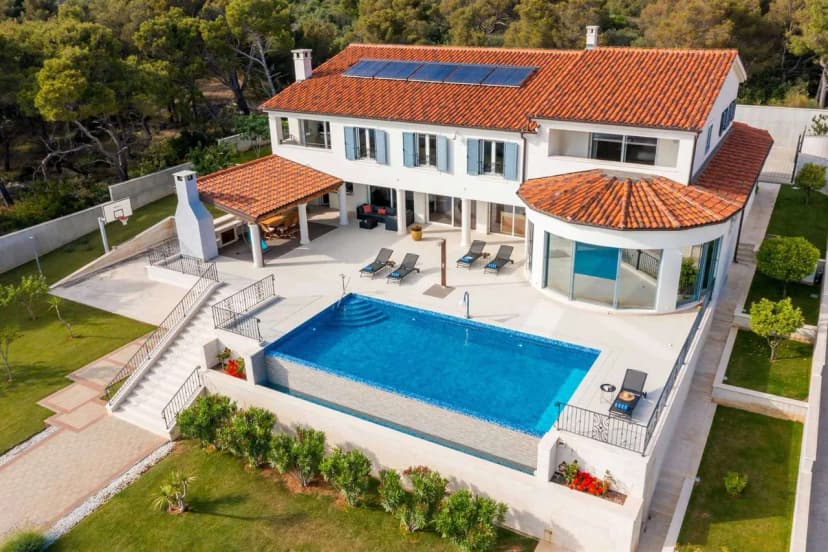
Dalmatia is the southern, most celebrated stretch of Croatia's Adriatic seaboard, where limestone mountains drop into impossibly clear water. The coastline threads together Roman and Venetian heritage towns such as Split, with its living Diocletian's Palace, and Trogir's compact stone centre. Offshore lie the headline islands of Hvar, Brac, Vis and Korcula, each with its own character. A luxury villa here typically means a private pool, terraces angled to the sunset and proximity to a quiet cove or harbour. Choose between hillside estates with sweeping sea panoramas and waterfront houses just steps from the swimming, all within reach of vineyards, lavender fields and pine-scented Mediterranean coast.
Hvar town is the glamorous anchor, its harbour lined with bars and yachts beneath a hilltop fortress. Brac, home to the famous Zlatni Rat beach near Bol and to Borak, suits families wanting space and easy beach access. On the mainland, villas around Split and Trogir balance culture with airport convenience, while quieter inland spots near Grad Vrgorac offer vineyard seclusion. Smaller islands such as Vis reward those seeking authentic, unhurried Dalmatia. Jezera, on Murter, opens up the Kornati archipelago for sailors. Across all of these, the Smiling House collection favours villas with privacy, sea views and proximity to the water.
Island-hopping defines the Dalmatian experience. Charter a yacht or speedboat to the Pakleni Islands off Hvar, swim into the Blue Cave near Vis, or sail the protected Kornati national park. On land, explore Diocletian's Palace in Split, the walls of Dubrovnik to the south and Krka's waterfalls inland. Brac is known for windsurfing and the dramatic spit of Zlatni Rat. Wine lovers can tour Plavac Mali vineyards on the Peljesac peninsula, while hikers climb Vidova Gora, the highest Adriatic island peak. Concierge teams arrange private guides, tastings, transfers and skippered days at sea.
Dalmatian cooking is coastal and seasonal: grilled fish, black risotto, fresh oysters from Ston, olive oil and Pag cheese, often finished slow-roasted under a peka bell. Konobas, the traditional taverns, sit alongside polished waterfront restaurants in Hvar and Split. Local wines reward exploration, from crisp Posip whites to robust Plavac Mali reds. Hvar town carries the liveliest nightlife, with harbour-side cocktail bars and beach clubs on the Pakleni Islands, while Split's Diocletian quarter buzzes after dark. Elsewhere the mood stays relaxed, with long candlelit dinners on villa terraces arranged through a private chef.
The season runs from late spring to early autumn. July and August bring the warmest weather, the liveliest harbours and peak demand, ideal for those who want full beach-club energy. June and September are arguably the sweet spot, with hot sun, warm swimmable seas and noticeably fewer crowds. May and early October are quieter still, pleasant for sightseeing, sailing and walking the old towns, though some island venues wind down. The Adriatic stays comfortable for swimming well into September, making early autumn a favourite for villa stays and relaxed island-hopping.
Split Airport (SPU) is the main gateway, well connected to European hubs through the summer and a short drive from the city, Trogir and the ferry ports. Dubrovnik Airport (DBV) serves the southern coast. From Split and the mainland ports, regular car ferries and fast catamarans reach Hvar, Brac, Vis and Korcula. Many guests combine a flight with a private transfer or skippered boat directly to their villa or island. Hiring a car suits mainland and larger-island stays, while a chartered yacht turns the coast itself into the journey. Concierge teams can coordinate every leg.