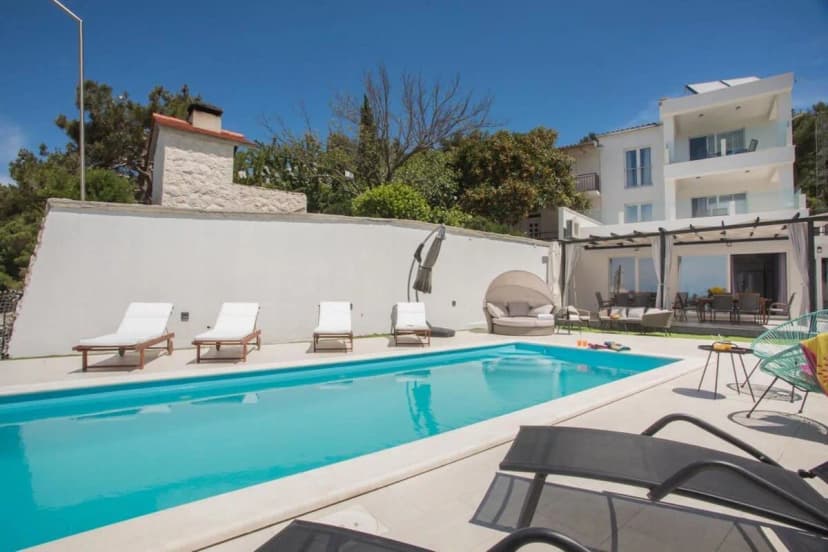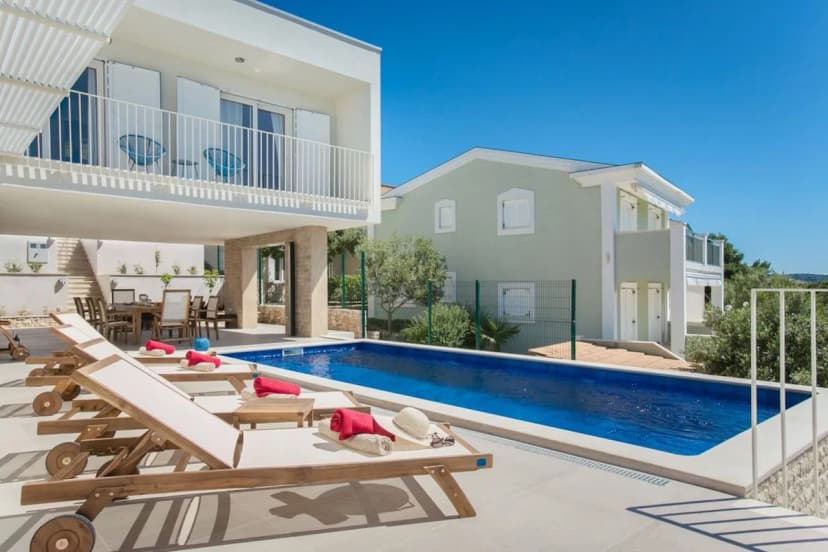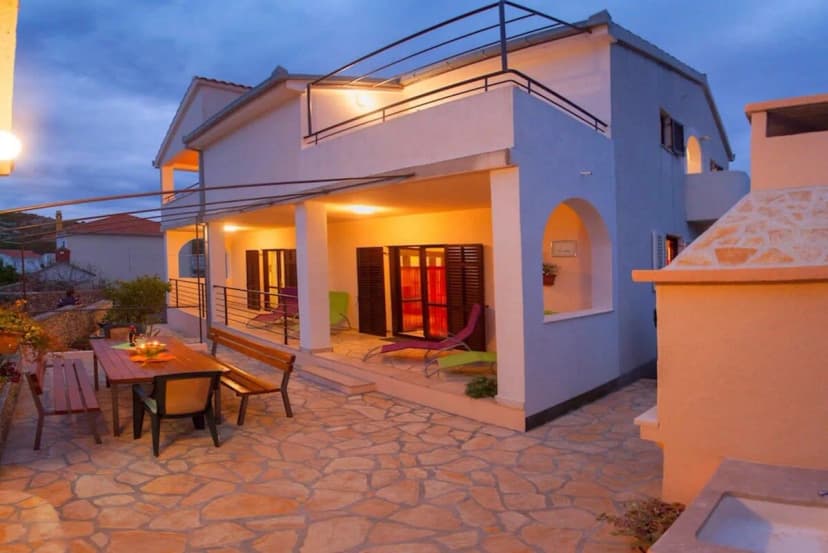
Sweet Holiday Villa near Varos BeachN°001
Adriatic coast, Croatia
Sea view
From $10,465 per night
 Photo by Ammar Sabanovic on Unsplash
The Adriatic Coast is Croatia's sun-drenched ribbon of limestone islands, walled cities and turquoise bays. Renting one of the luxury villas in the Adriatic Coast places you between Dalmatian heritage and the sea, with private pools, terraces and concierge service framing days of island-hopping, swimming and unhurried Mediterranean living.
Six weeks of theatre, classical music and dance staged in the old city's fortresses, palaces and squares. Evenings inside the walls pair beautifully with a villa retreat along the coast.
Opera, drama and concerts performed within Diocletian's Palace and around Split's Roman core. One of Croatia's oldest cultural festivals and an easy evening out from a coastal villa.
Split hosts one of Europe's biggest electronic music festivals, drawing international headliners for three days. Book around it, or into it, depending on your party's taste.
Croatia's largest carnival fills Rijeka with masked parades and weeks of festivities before Lent. A colourful reason to see the Adriatic out of season.
Dubrovnik, Split and the islands are blissfully quiet, the hills turn green and sailing season begins. Ideal for travellers who prefer sightseeing to sunbathing.
Warm, reliably sunny weather for swimming coves, festival nights and boat days between Hvar, Brač and Korčula. A villa with a pool offers a private escape from the busiest promenades.
The Adriatic stays swimmable well into October while the summer crowds drain away. Harvest season brings truffles, new wine and long lunches in konobas.
Mild, moody months for city breaks in Dubrovnik and Split without the queues, ending with Rijeka's carnival. Many restaurants close, so a well-stocked villa kitchen comes into its own.
The Croatian Adriatic runs from Istria in the north down through Dalmatia, a coastline studded with more than a thousand islands and anchored by historic cities. Split grows around Diocletian's Roman palace, while Dubrovnik's medieval ramparts crown the southern shore. Zadar, Trogir and Rovinj add Venetian-tinged old towns, and villages such as Hvar Town blend yachting glamour with stone-lane charm. Inland, vineyards and olive groves climb the karst hills behind the water. The defining quality is the sea itself: exceptionally clear, calm in the sheltered bays and dotted with hidden coves reachable only by boat. It is a region where Roman, Venetian and Mediterranean histories meet a coastline built for slow, sun-filled days.
Luxury villas in the Adriatic Coast cluster around a few standout bases. The Split and Trogir Riviera suits families and groups wanting airport access, marinas and island ferries close by. Hvar and Brac deliver chic seclusion with hillside villas above the water. For southern grandeur, the Dubrovnik Riviera and the Konavle valley offer estates with old-town panoramas and private jetties. Northern Istria, around Rovinj and Porec, pairs a gentler, greener landscape with truffle country. Across the coast, Smiling House offers a curated collection of villas with infinity pools, sea-facing terraces and concierge service, whether you want a walkable town setting or a private headland reached down a cypress drive.
The water sets the agenda. Charter a skippered yacht to weave through the Pakleni Islands, swim into the Blue Cave off Vis, or paddleboard across glassy morning bays. Closer to shore, the cities reward slow exploration: walk Dubrovnik's ramparts, wander Diocletian's Palace in Split, or climb Hvar's Spanish fortress at dusk. Day trips reach Krka and Plitvice waterfalls, Mljet's national park and the Elaphiti islands. Wine lovers can taste Plavac Mali on the Peljesac peninsula, while families enjoy sheltered pebble beaches and gentle snorkelling. Your villa concierge can arrange private boat days, diving, sea-kayaking and guided heritage tours tailored to each group.
Dalmatian cooking is built on the sea and the garden: grilled fish, black risotto, octopus slow-cooked under a peka bell, and bright local olive oil. In Dubrovnik, Proto is a long-standing seafood institution, while Split's Konoba Fetivi serves honest, hearty Dalmatian plates in a family setting. Across the islands, simple konobas pour crisp Posip and Grk whites. After dark, the mood shifts from elegant to spirited. Hvar's Beach Bar Hula Hula is the classic spot for sunset cocktails, and Dubrovnik's Revelin nightclub pulses inside a medieval fortress. Wine bars in the old towns offer a quieter close to the evening, glass in hand above the harbour lights.
The season runs from late spring to mid-autumn. June and September are the sweet spots: the sea is warm enough for long swims, the light is golden and the towns are lively without the peak crush. July and August bring the hottest weather, the busiest beaches and a full calendar of events, including Split's Ultra Europe festival and the Dubrovnik Summer Festival of open-air theatre and music. May and early October are quieter and cooler, ideal for sailing, walking the city walls and exploring without crowds. Villa availability is tightest across high summer, so the most sought-after properties reward booking well ahead.
The Adriatic Coast is well served by air. Split and Dubrovnik airports handle frequent seasonal flights from across Europe, with Zadar and Pula adding options to the north. Transfers from the airport to most villas take under an hour, and the Smiling House concierge can arrange private cars, helicopter transfers or a yacht to collect you. Once settled, ferries and catamarans link the mainland to Hvar, Brac, Vis and the smaller islands, while a hire car or private skipper opens up the wider coast. For island villas, a boat is often the most scenic and practical way to arrive at your door.